Professional Tree Pruning Services in Seattle, Tacoma, & The Puget Sound Region
Proper pruning is a combination technical expertise, long-term planning, and an in-depth understanding of tree physiology. Pruning cuts don’t just remove parts of a tree; they also direct a tree’s future growth, for better or worse. In a region known for tall conifers, dense canopies, frequent rain, and winter storms, how trees are pruned has a direct impact on safety, tree health, and property value.
A Board Certified Master Arborist starts with an evaluation, not a saw. They look at species, age, structure, history of past pruning, site conditions, and targets—homes, power lines, walkways, driveways, and neighboring trees. In the PNW, that often means working with Douglas-fir, western redcedar, hemlock, bigleaf maple, red alder, ornamental maples, dogwoods, and fruit trees, each with different growth habits and pruning responses. They also consider local climate factors: saturated winter soils, summer drought, prevailing winds, and heavy, wet snow.
One of the key roles of a Master Arborist is distinguishing between different pruning objectives. Most work falls into a few main categories:
- Risk reduction and structural pruning
- Clearance and view management
- Health and longevity
- Appearance and light management
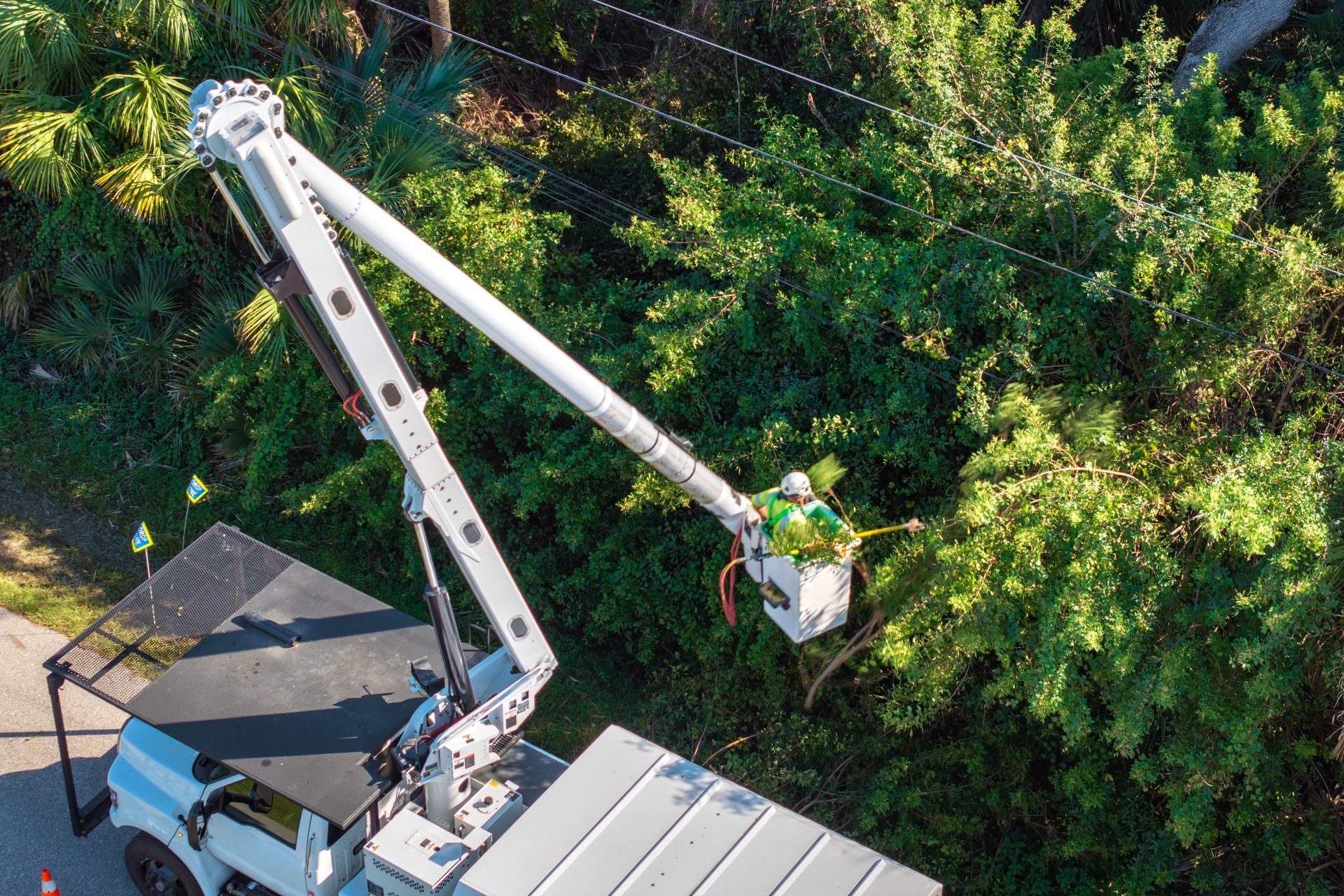
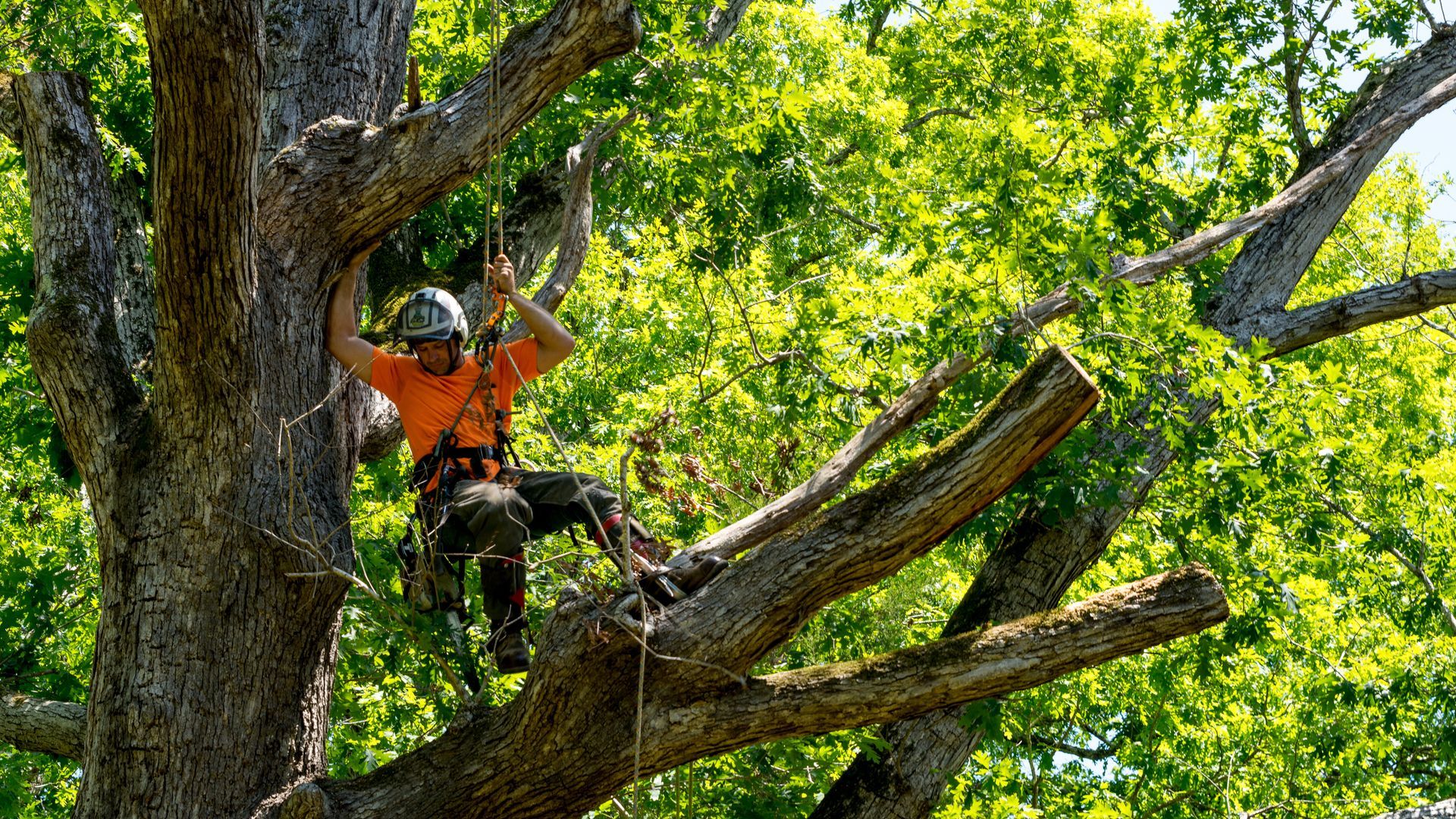
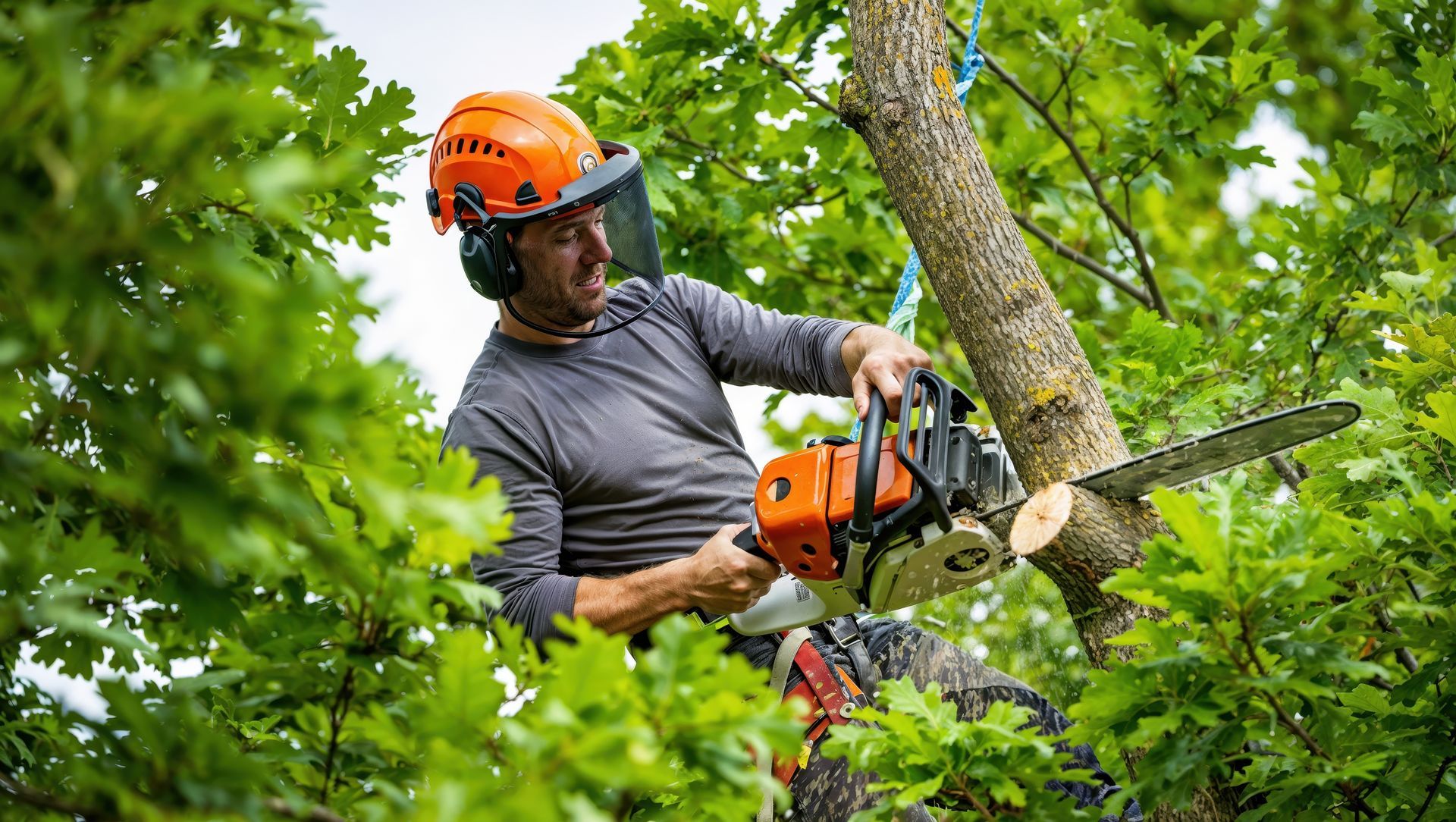
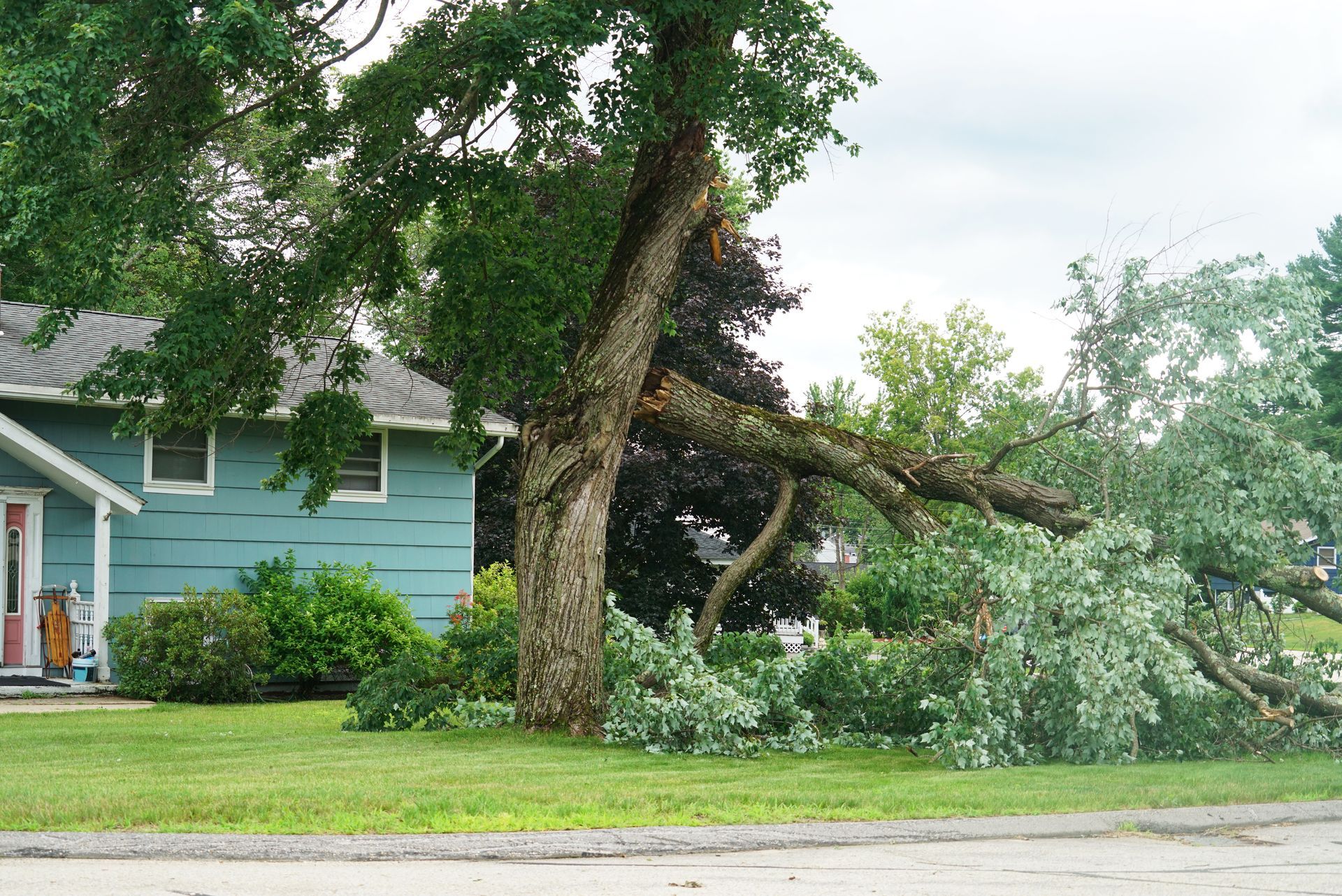
Risk reduction and structural pruning are especially important in the Pacific Northwest, where storms and wind events regularly test tree structure. A Master Arborist identifies co-dominant stems with weak attachments, over-extended limbs, included bark, and previous topping cuts that have produced weakly attached regrowth. Rather than simply “thinning” or cutting back at random, they create a structural plan: selectively shortening or removing specific limbs to reduce lever arm forces, encouraging one dominant leader where appropriate, and improving branch spacing and attachment angles over time.
Clearance and view work are common homeowner requests in this region—more light for gardens, more distance from roofs and gutters, improved sightlines to water, mountains, or cityscapes. A Board Certified Master Arborist approaches this with restraint and biology in mind. Instead of topping or “lion-tailing” (stripping inner branches and leaving foliage at the tips), they use targeted crown reduction and selective thinning cuts that preserve the tree’s natural form and maintain enough foliage on interior branches. This maintains structural integrity, reduces sunscald and wind loading, and avoids the rapid, weakly attached regrowth that topping produces.
Health-focused pruning in the PNW often addresses issues related to shade, moisture, and disease. Overly dense canopies can trap moisture and impede air circulation, encouraging fungal problems like anthracnose, needle cast, powdery mildew, and various leaf spots. A Master Arborist uses careful crown thinning—removing selected live branches to improve air movement and light penetration without compromising overall form and structure. They also remove dead, diseased, crossing, or rubbing branches with proper, collar-respecting cuts that promote quick, compartmentalized wound closure.
Board Certified Master Arborists are trained to prune with the tree’s long-term biology in mind. They know how much live tissue particular species can tolerate losing at one time, and how timing affects the tree’s response. In the Pacific Northwest:
- Many deciduous trees are ideally pruned during dormancy (late fall to late winter), when structure is visible and disease pressure is lower.
- Some species, such as maples and birches, may “bleed” if pruned late winter; a Master Arborist understands how and when to minimize this.
- Fruit trees and certain ornamentals may get specific seasonal pruning to balance fruiting, structure, and disease management.
For large conifers—iconic in the PNW—Master Arborists avoid harmful practices like topping or extreme “wind sailing” (stripping off too many branches). Instead, they may use careful crown reduction on specific leaders, subordinating but not decapitating the canopy, and may reduce selected branches to reduce sail area while maintaining the tree’s natural taper and stability. When trees are too close to structures, they will often recommend phased work, modest reductions, or, when necessary, removal and replacement rather than disfiguring or destabilizing cuts.
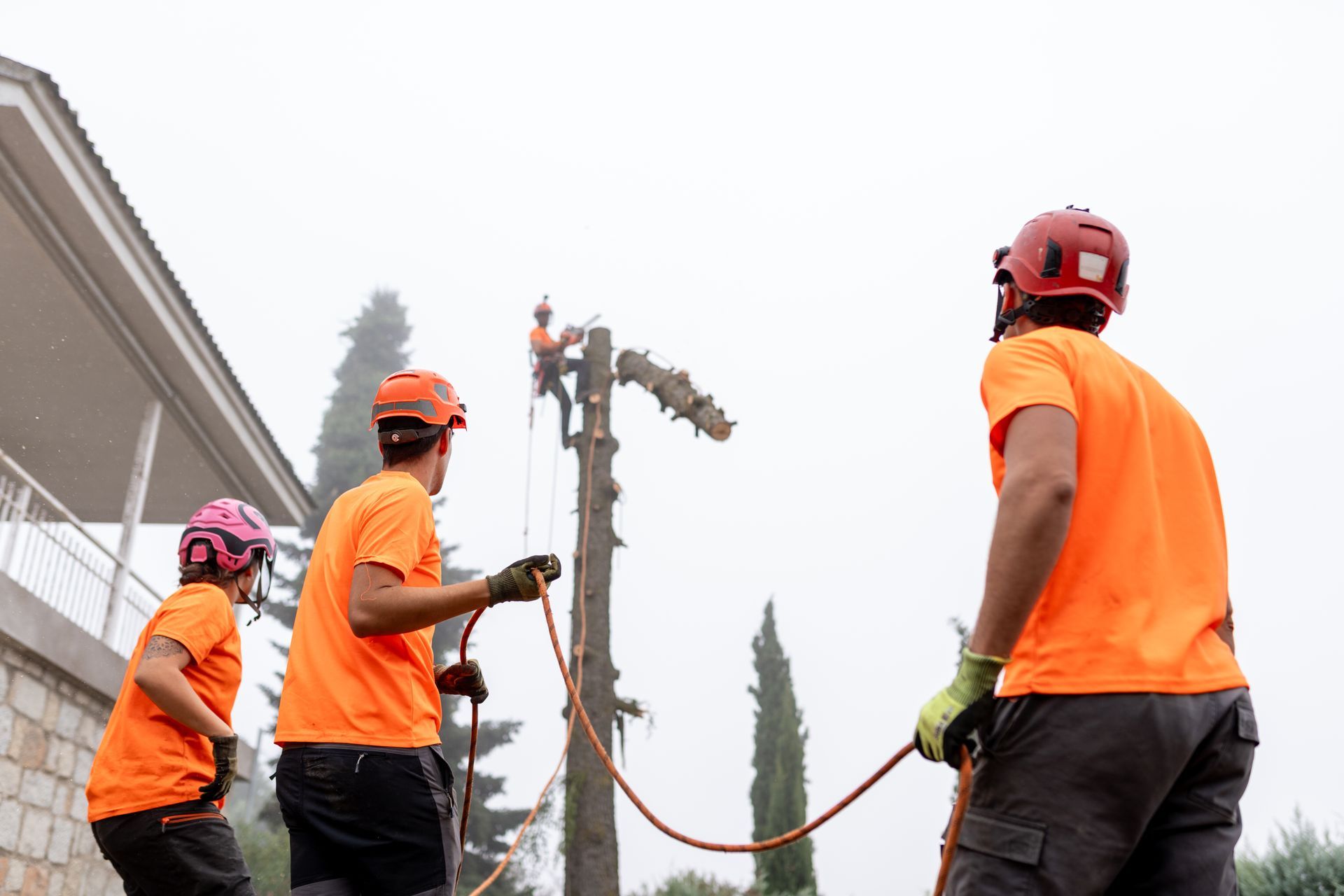
Board Certified Master Arborists also bring a risk-management perspective to every pruning job. They understand how pruning choices affect future breakage, decay potential, and tree aging. They use correct cut placement at the branch collar, avoid flush cuts and stubs, and refrain from wound paints that interfere with natural compartmentalization. For young trees, they emphasize early structural pruning—training strong central leaders, good branch spacing, and proper clearance—so the trees become safer, lower-maintenance assets as they mature.
In the Pacific Northwest’s urban and suburban environments, pruning must also respect local regulations, neighbor relations, and ecosystem value. A Master Arborist can balance hazard reduction with habitat: retaining some safe dead wood higher in canopies for wildlife, maintaining screening where desired, and recommending when pruning should be paired with supplemental support systems, soil improvement, or watering changes.
Ultimately, tree pruning by a Board Certified Master Arborist in the PNW isn’t about taking off a certain percentage or “opening it up.” It’s about informed, species-specific, climate-aware decisions that make trees safer, healthier, and more functional for decades. Their training and experience help homeowners avoid the long-term costs of improper cuts, topping, and guesswork, while preserving the character and resilience of the Northwest’s treed landscapes.

North King County and Snohomish County
John Huddleston
Phone: (253) 736-5286
Email: John@salishseatree.com
ASCA Registered Consulting Arborist #625
Board Certified Master Arborist®
Tree Risk Assessment Qualified
WE - 7660 BM
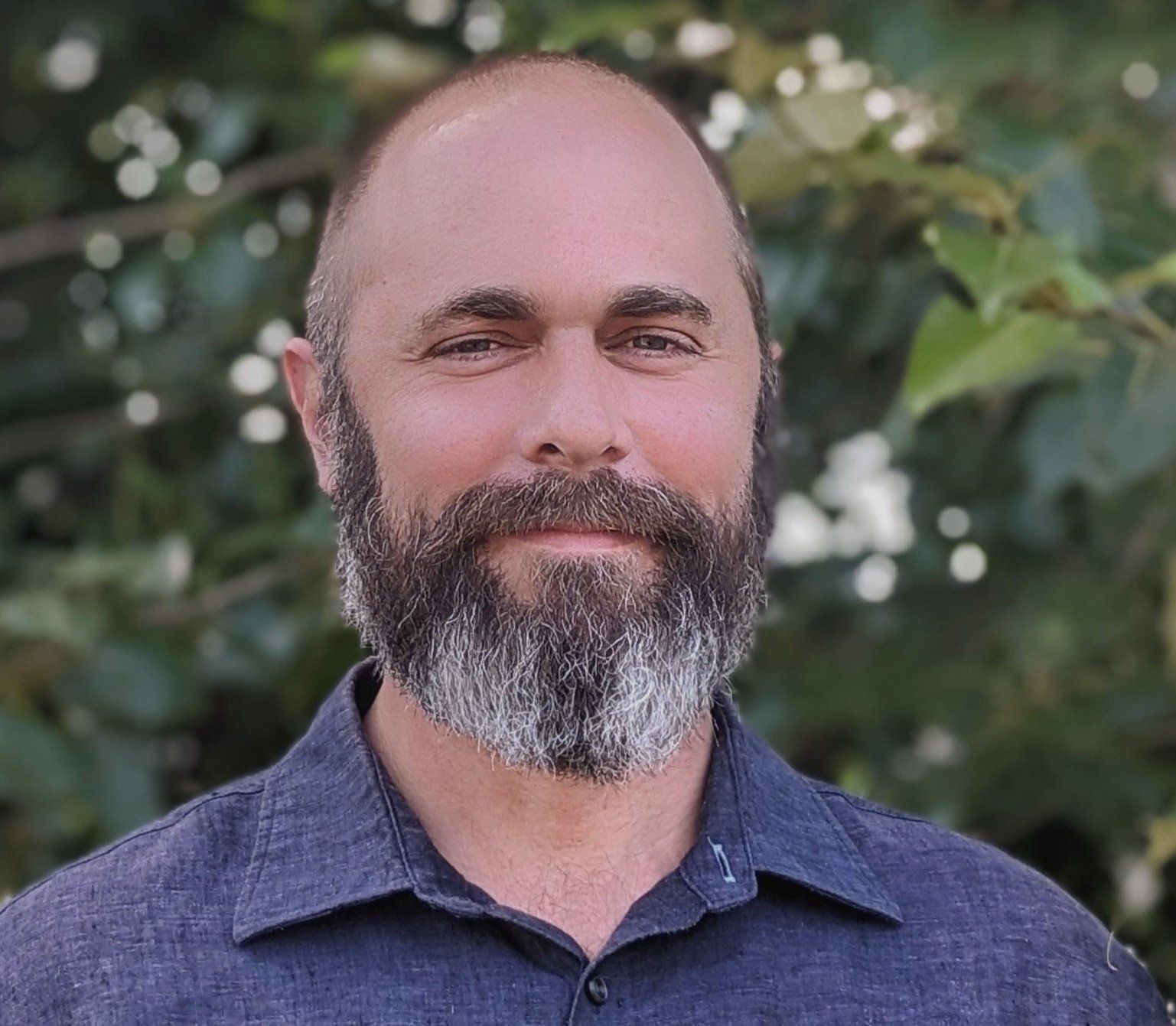
South King County and Peirce County
Nicholas Johnson
Phone: (206) 819-1294
Email: NicholasJohnson@salishseatree.com
ASCA Registered Consulting Arborist #827
Tree and Plant Appraisal Qualified
Board Certified Master Arborist®
Tree Risk Assessment Qualified
PN - 5662BM





