Certified Arborist Services in Seattle, Tacoma, & The Puget Sound Region
Trees are among the most valuable assets on a property, yet they’re also some of the most misunderstood and neglected. Hiring a Board Certified Master Arborist to care for them is one of the smartest investments a homeowner can make, both for safety and long-term property value.
A Board Certified Master Arborist represents the highest level of credentialing in the tree care industry. They represent the highest 2% of certified arborists. This isn’t just a title; it means the arborist has years of verified experience, has passed advanced examinations, and maintains ongoing education in tree biology, safety, disease management, and proper pruning and removal techniques. In other words, you’re not just getting “someone who cuts trees,” you’re hiring a tree specialist with deep, tested expertise.
One of the biggest reasons to choose a Board Certified Master Arborist is risk management. Trees can fail unexpectedly, and hidden defects—internal decay, root damage, poor structure—often aren’t obvious to the untrained eye. A Master Arborist is trained to spot early warning signs: cracks in major limbs, soil heaving that indicates root problems, species-specific weaknesses, and structural issues caused by storms or improper past pruning. By identifying and addressing these issues before they become emergencies, they help protect your home, vehicles, and family from falling limbs or complete tree failure.
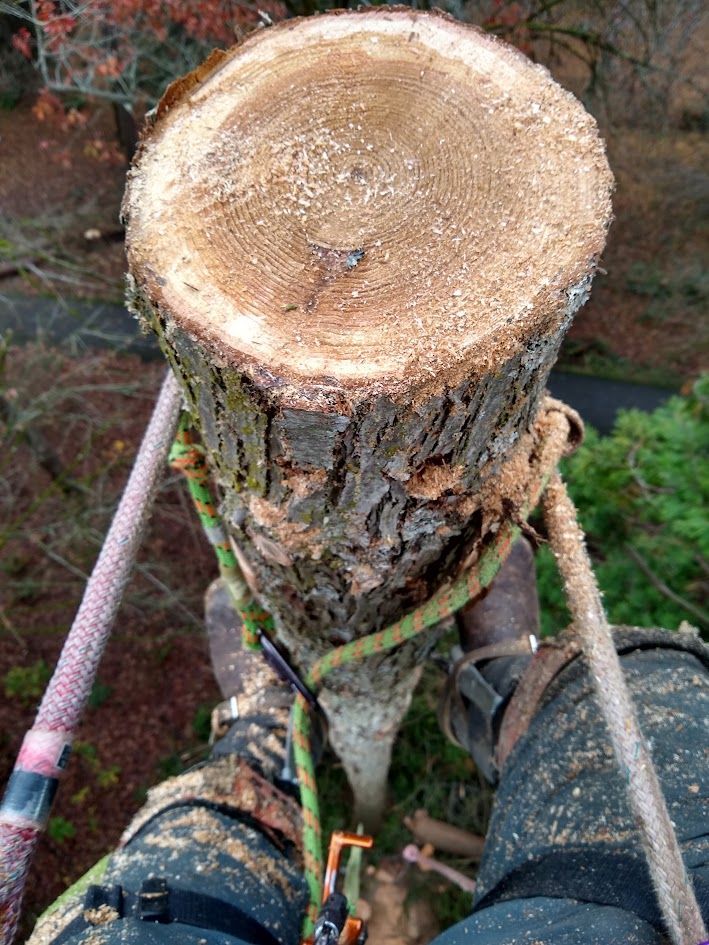
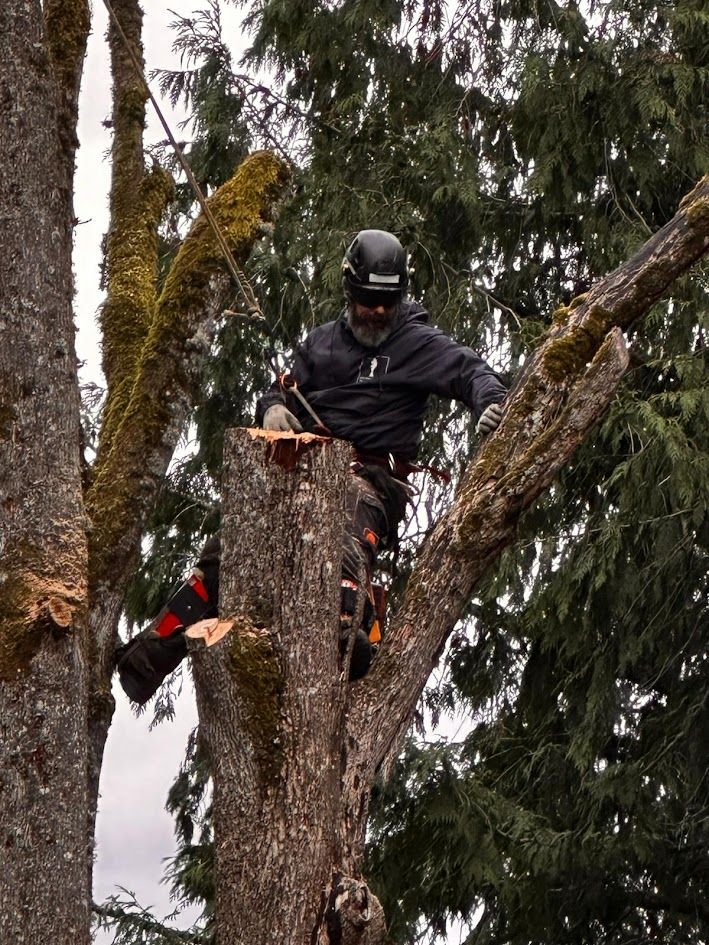
Safety isn’t just about the tree; it’s also about how the work is done. Tree work is inherently dangerous. Working at height with chainsaws, rigging heavy sections of wood over roofs and power lines requires technical skill and strict adherence to safety standards. Board Certified Master Arborists are typically well-versed in industry safety guidelines and are more likely to use proper equipment, correct rigging techniques, and have insured and trained crews. This significantly reduces the risk of accidents, injuries, and property damage during tree work.
Another key advantage is science-based tree care. Trees are living organisms with complex responses to stress, pruning, pests, and soil conditions. A Master Arborist understands tree biology and uses that knowledge to make decisions that improve tree health rather than simply making them look “trimmed.” For example, instead of topping a tree—a harmful practice that leads to decay, weak regrowth, and higher future maintenance—they will use proper crown reduction or structural pruning techniques that maintain strength and natural form. They can diagnose nutrient deficiencies, compacted soil, or improper planting depth and prescribe corrective measures that extend the life and vigor of your trees.
Pest and disease management is another area where expertise matters. Many issues look similar to the untrained eye: yellowing leaves, dieback, or leaf spots can each have multiple causes. A Board Certified Master Arborist has the training to distinguish between fungal, bacterial, insect, and environmental problems, and to recommend appropriate treatments. This often prevents unnecessary or ineffective chemical applications and focuses on targeted, environmentally responsible solutions. Early, accurate diagnosis can save a tree that might otherwise decline to the point of removal.
From a financial standpoint, healthy, mature trees are known to increase property value. They provide shade that lowers cooling costs, improve curb appeal, and create a sense of maturity and stability in a neighborhood. Conversely, neglected or improperly pruned trees can become liabilities, leading to costly emergency removals or damage to structures. Investing in regular, expert care from a Board Certified Master Arborist helps ensure your trees remain assets instead of risks, and that major problems are caught early when they are cheaper and easier to address.
There’s also the matter of long-term planning. A Master Arborist doesn’t just look at what your trees need today; they help you develop a management plan for years ahead. This can include structural pruning of young trees to prevent future hazards, selecting appropriate species for new plantings, and phasing out declining or high-risk trees in a way that maintains your landscape’s beauty and function. This kind of proactive approach leads to a safer, more attractive property with fewer surprises.
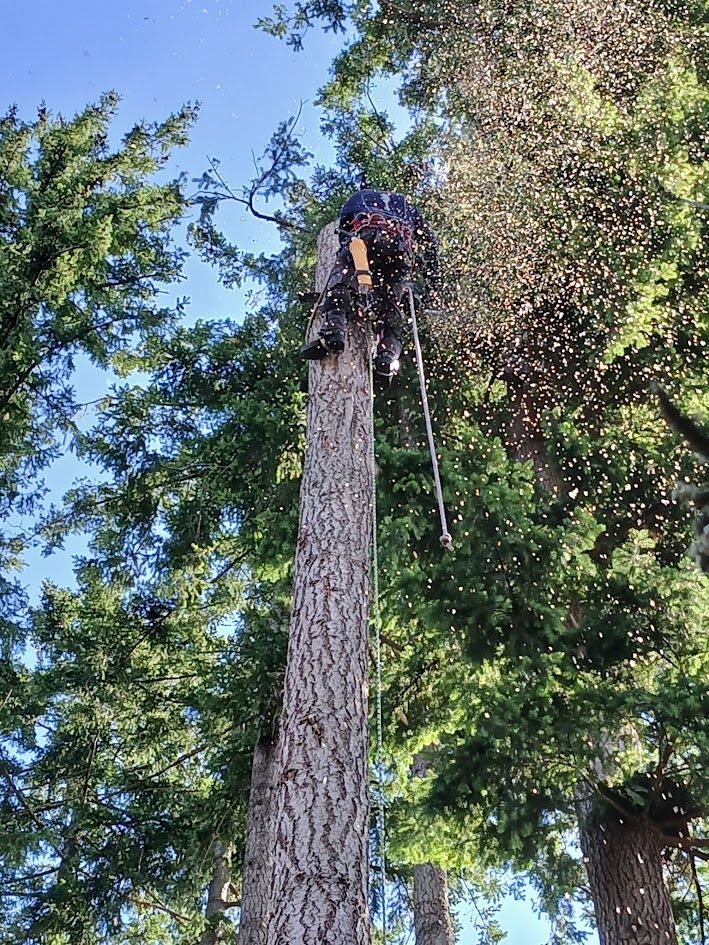
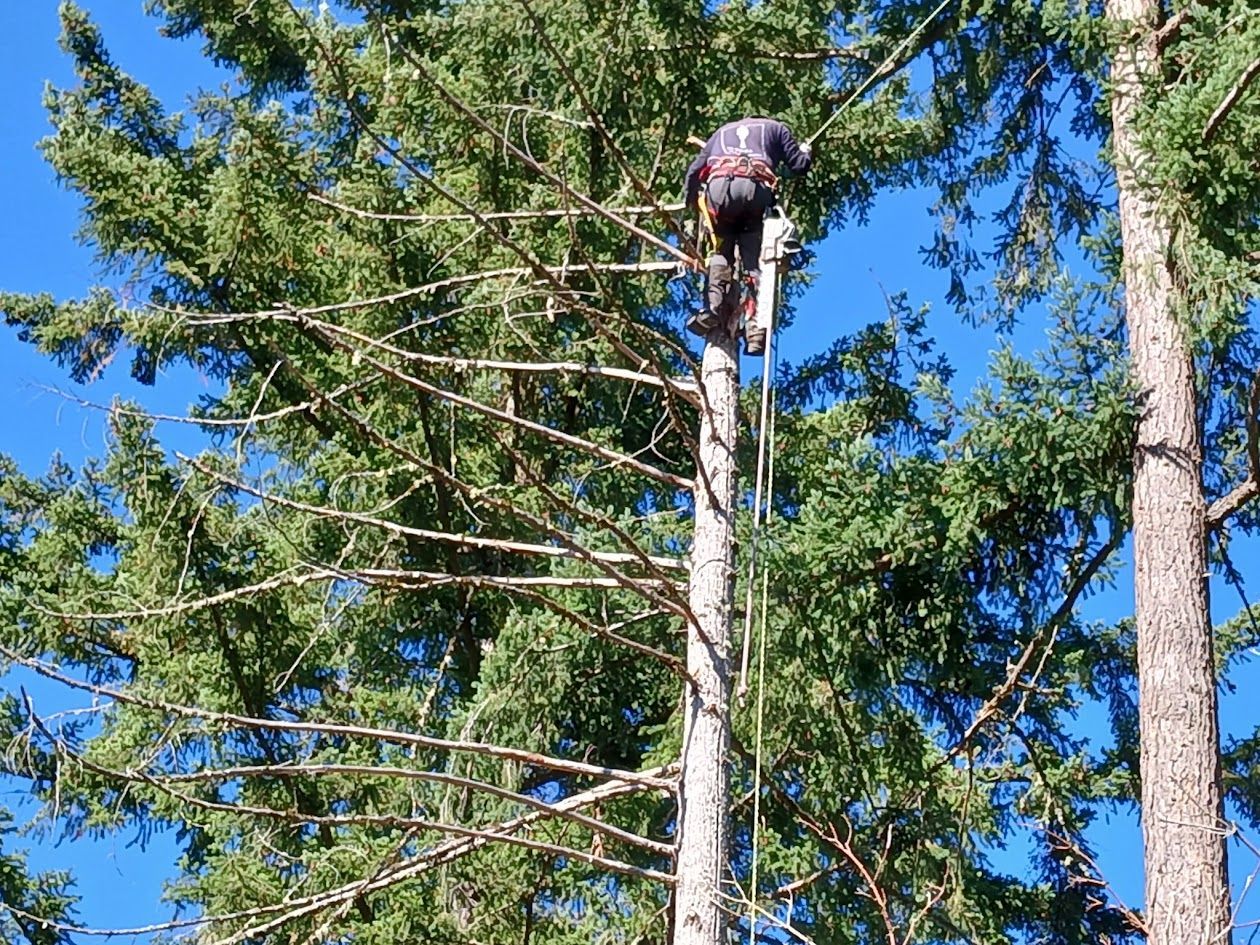
Finally, hiring a Board Certified Master Arborist offers peace of mind. You know you’re working with someone who has committed to a professional code of ethics, to ongoing education, and to best practices in the field. In a marketplace where anyone with a chainsaw can call themselves a “tree guy,” that level of proven expertise and accountability is invaluable.
For a homeowner who cares about safety, property value, and the long-term health of their landscape, choosing a Board Certified Master Arborist isn’t an extra—it’s essential.

North King County and Snohomish County
John Huddleston
Phone: (253) 736-5286
Email: John@salishseatree.com
ASCA Registered Consulting Arborist #625
Board Certified Master Arborist®
Tree Risk Assessment Qualified
WE - 7660 BM
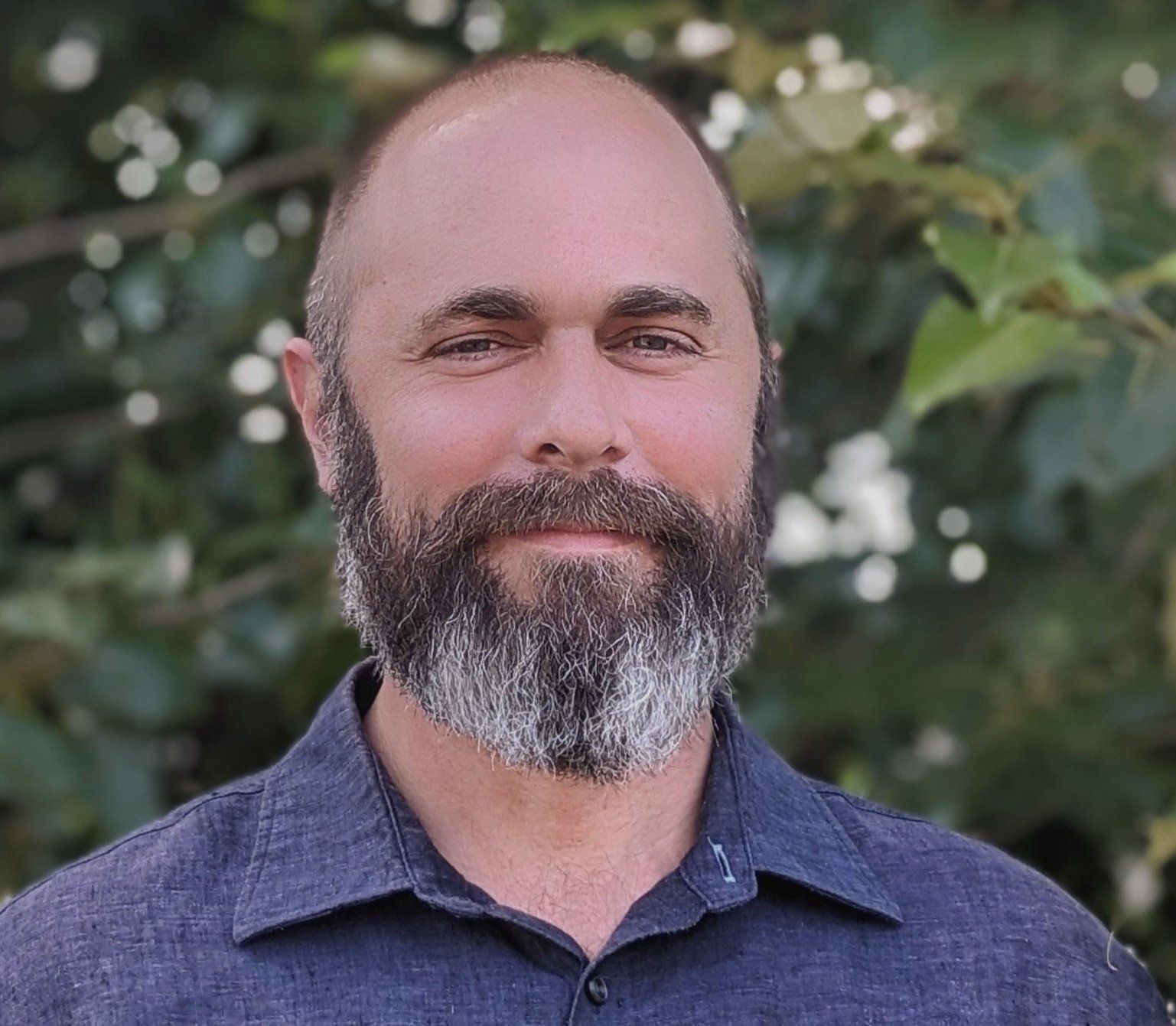
South King County and Pierce County
Nicholas Johnson
Phone: (206) 819-1294
Email: NicholasJohnson@salishseatree.com
ASCA Registered Consulting Arborist #827
Tree and Plant Appraisal Qualified
Board Certified Master Arborist®
Tree Risk Assessment Qualified
PN - 5662BM





