Tree Cabling & Bracing Services in Seattle, Tacoma, & The Puget Sound Region
In the Pacific Northwest, where tall conifers and broad-crowned hardwoods regularly face wind, saturated soils, and heavy, wet snow, supplemental support systems can mean the difference between a manageable risk and a serious failure. Board Certified Master Arborists play a key role in deciding when and how to use these systems—cabling, bracing, guying, and propping—to manage risk while preserving valuable trees.
Supplemental support systems are not a substitute for good structure or health; they are risk-reduction tools. A Board Certified Master Arborist starts with a thorough tree risk assessment, looking at species, defects, load factors, and what’s at risk if a failure occurs. In the Pacific Northwest, this often means evaluating bigleaf maples with heavy, spreading limbs, mature Douglas-firs over homes, storm-damaged ornamental cherries or plums, and codominant trunks in red alders and ornamental maples.
Typical reasons a Master Arborist might consider supplemental support include:
- Codominant stems with weak unions and included bark
- Long, over-extended lateral limbs over homes, driveways, or play areas
- Historical storm damage that has compromised structure but not overall tree viability
- Valuable or historic trees where removal would be a major loss, yet defects are present
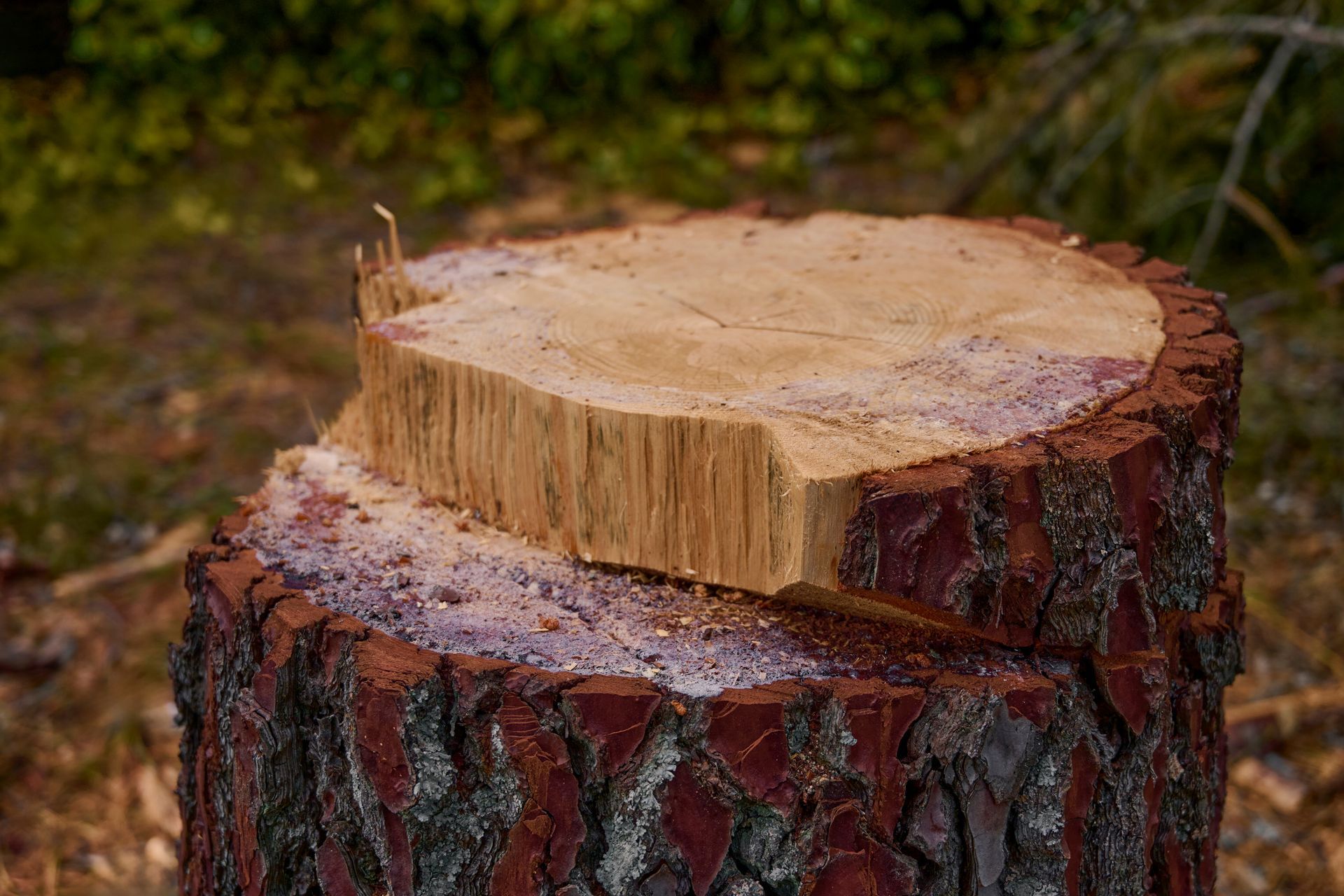
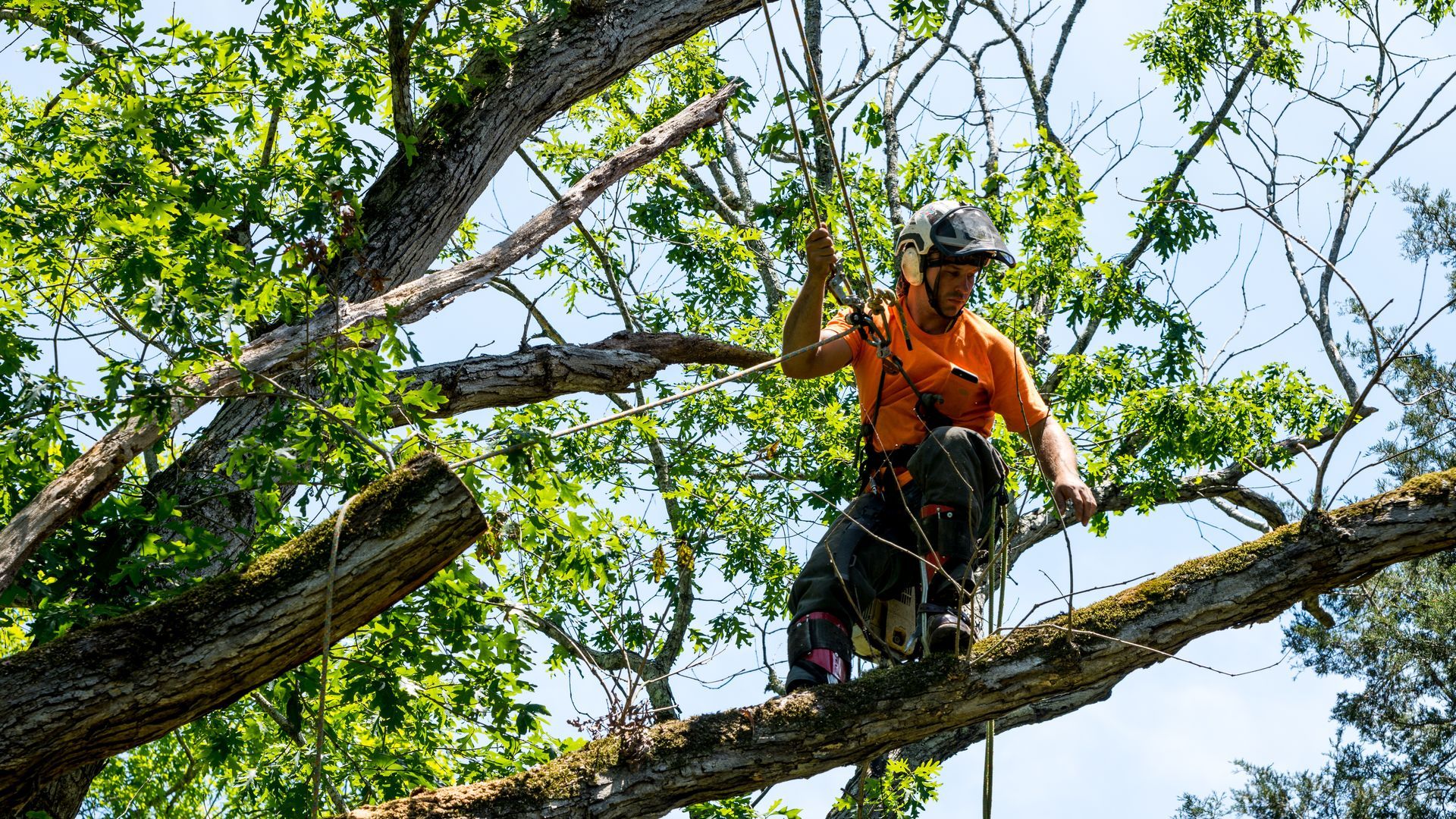
The decision to install support is never automatic. A Board Certified Master Arborist weighs the tree’s health, expected remaining lifespan, species behavior in PNW storms, and the client’s tolerance for risk. Sometimes the most responsible recommendation is removal or staged removal; in other cases, a combination of pruning and support can extend a tree’s safe useful life.
There are several main types of supplemental support systems:
- Static cabling
- Dynamic cabling
- Bracing (rods)
- Guying and propping
Static cables are high-strength steel cables installed high in the canopy to limit the movement of branches or stems relative to each other. They are common in older, heavy trees where failure at a union could be catastrophic. In the PNW, static cabling might be used in a mature bigleaf maple with a deep V-shaped crotch over a house, or in a multi-stemmed cedar leaning toward a structure. Static systems are designed and installed following industry standards (such as ANSI A300), with appropriately sized hardware, correct anchor placement, and corrosion-resistant components.
Dynamic cabling uses synthetic ropes or systems designed to allow limited, controlled movement. These can be appropriate when the goal is to maintain some natural sway—important for trunk taper and root development—while reducing the risk of sudden, extreme movement during storms. In the Pacific Northwest, where frequent wind and rain are normal, dynamic cabling can help manage load without “locking” the tree rigidly in place.
Bracing involves installing threaded steel rods through weak or cracked unions, often in conjunction with cabling. A Board Certified Master Arborist might recommend bracing when a major union shows signs of cracking or separation but the tree is otherwise healthy and worth preserving. In a region where wet, heavy snow can accumulate on broad crowns, bracing helps keep critical unions from pulling apart under load.
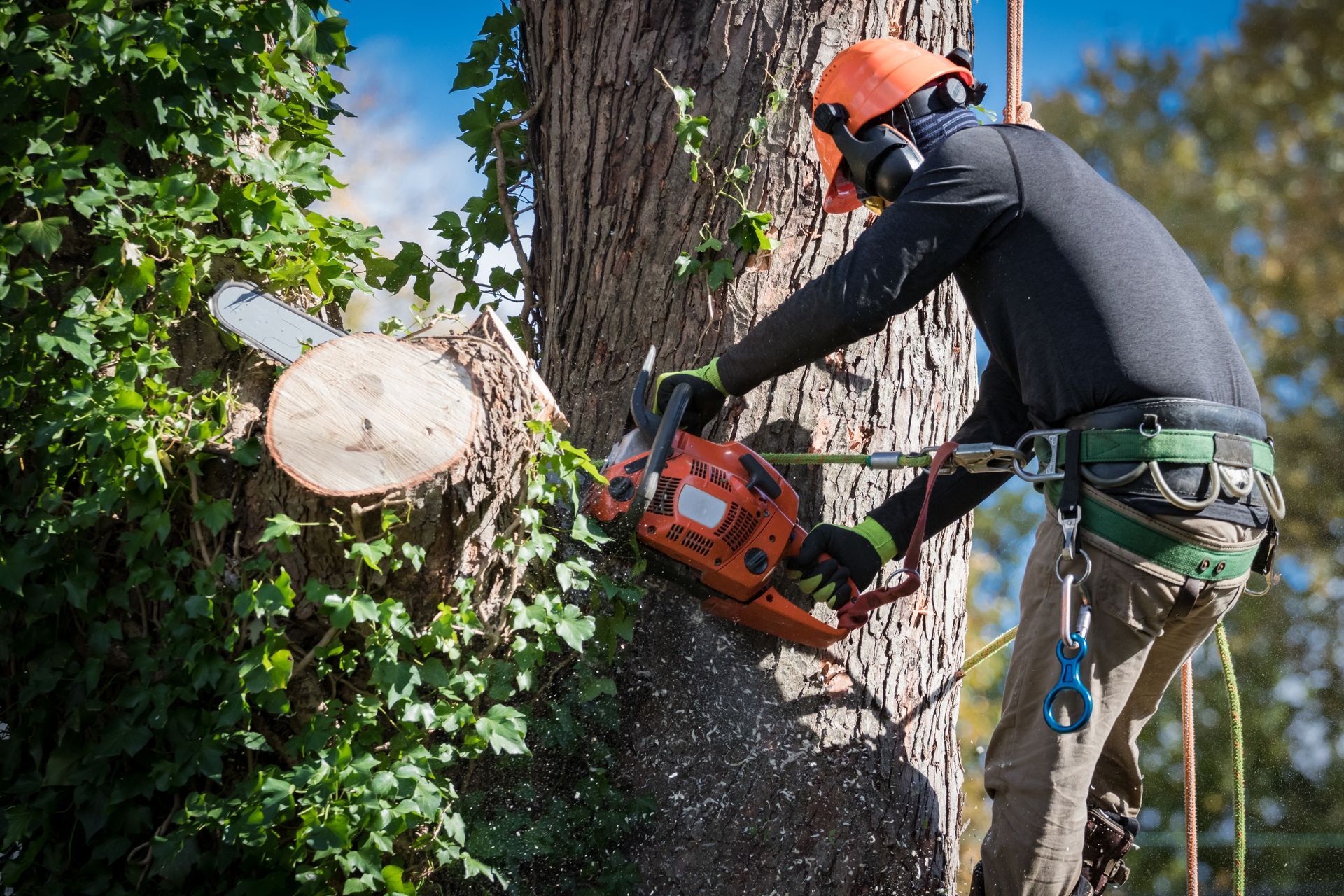
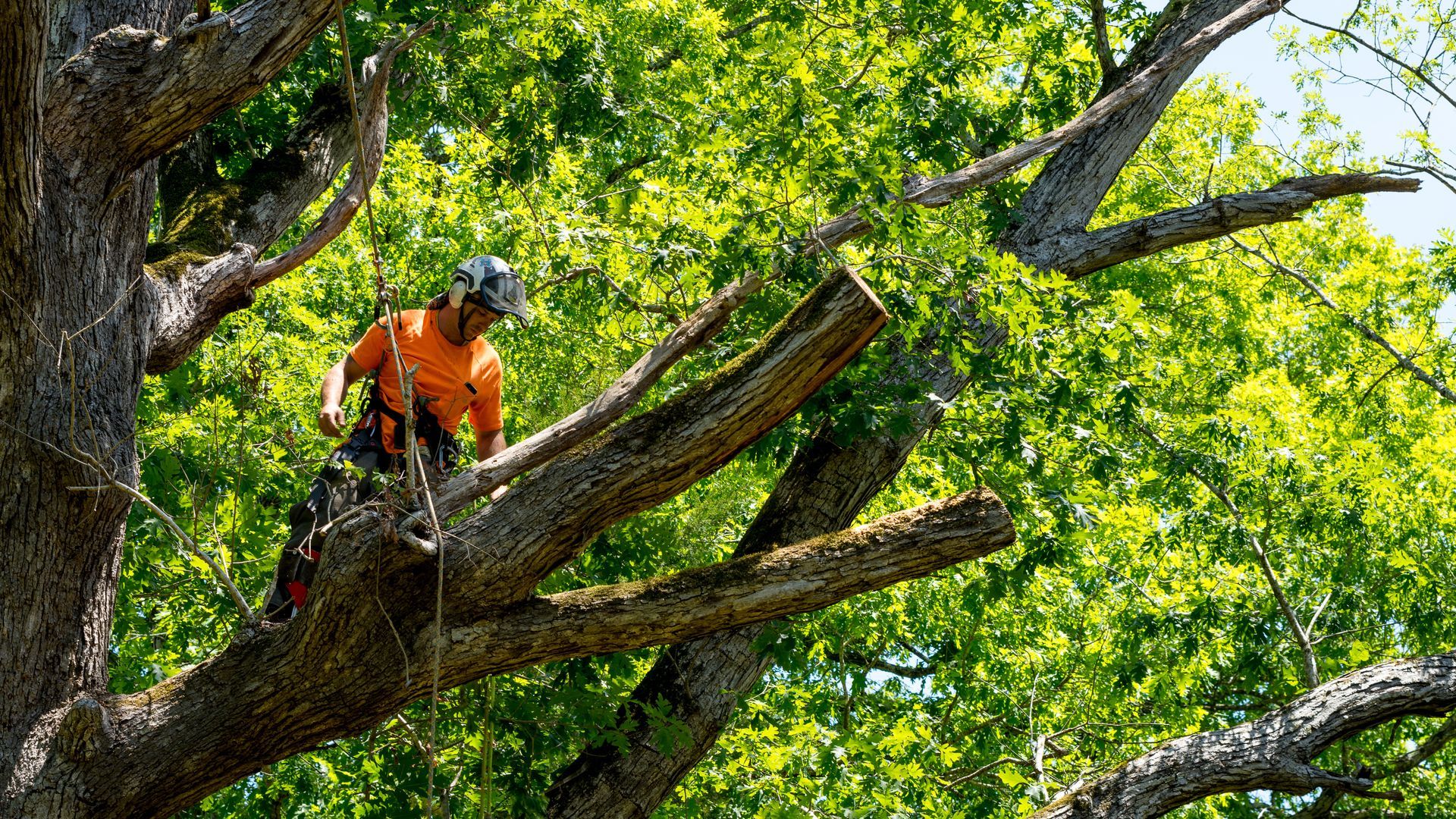
Guying and propping are more specialized. Guying uses anchors and cables from the tree to the ground, often for newly transplanted large trees or in situations where root systems are compromised. Propping uses engineered supports under large limbs, common with historic or highly valued trees where heavy, low limbs are part of the character but are structurally risky.
Installation quality is crucial. Board Certified Master Arborists are trained to:
- Select appropriate hardware size and type for species and load
- Place anchors at proper distances from unions and in sound wood
- Avoid excessive wounding during installation
- Coordinate necessary pruning to reduce load before or after installation
- Document systems for future inspection and maintenance
In the Pacific Northwest, maintenance is especially important. High rainfall and organic debris can accelerate corrosion and wear. Master Arborists schedule regular inspections—typically every one to five years depending on system type, tree growth, and exposure—to check cable tension, hardware condition, and changes in tree structure. Systems may need to be adjusted, upgraded, or removed as the tree grows or conditions change.
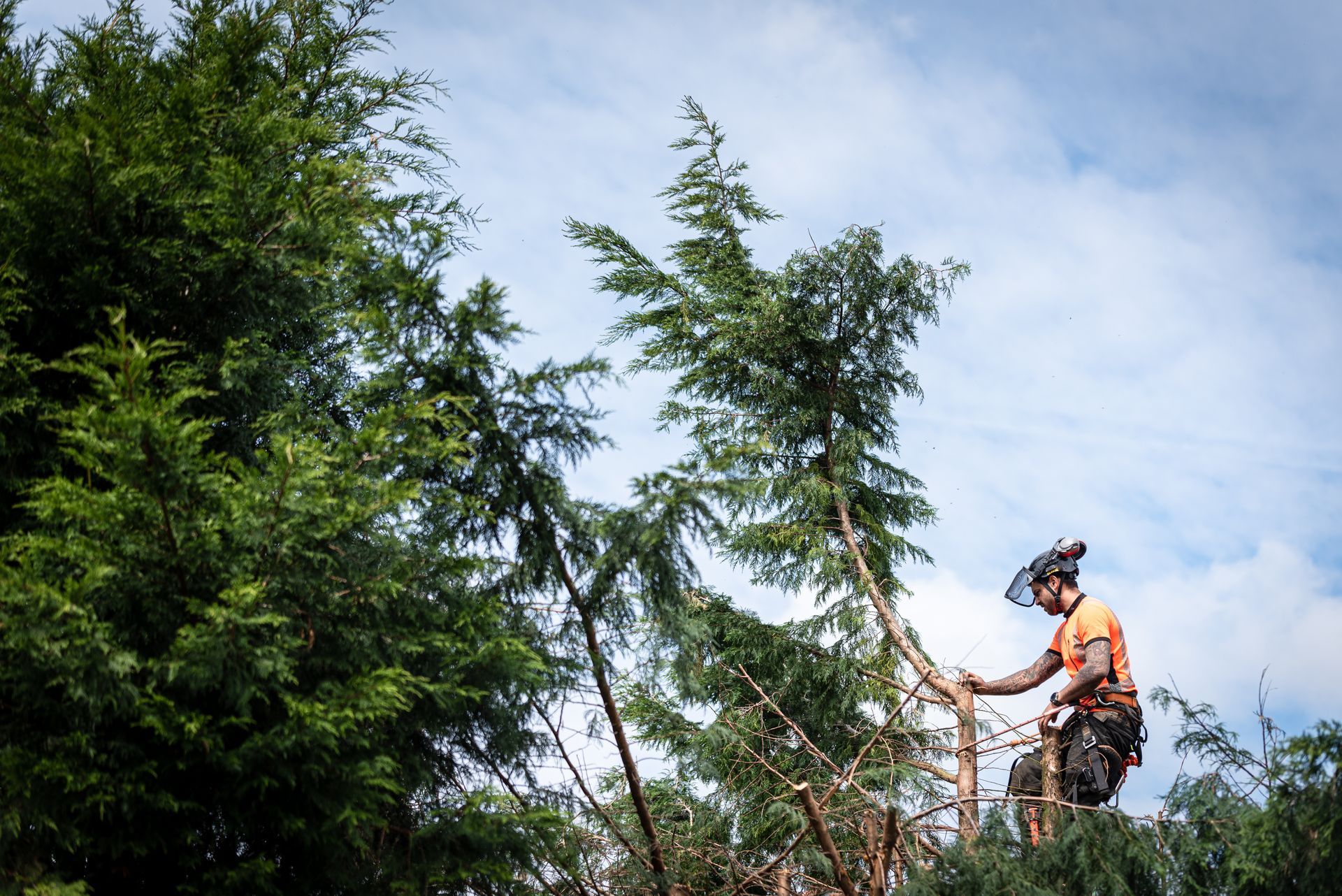
Crucially, supplemental support is always part of a broader management plan, not a stand-alone fix. A Board Certified Master Arborist will combine support systems with:
- Structural pruning to reduce end weight and sail area
- Soil and root zone care to improve stability and health
- Monitoring for decay, pests, or root disease (a major factor in the PNW)
- Honest discussions about the limits of support and residual risk
For homeowners, working with a Board Certified Master Arborist means getting a realistic, science-based perspective: when support systems are appropriate, what they can and cannot do, and how they fit into the long-term care of the tree.
In a region where trees define the landscape—and where storms regularly test them—professional design and installation of supplemental support systems can preserve beloved trees, protect people and property, and extend the safe life of significant trees in the Pacific Northwest.
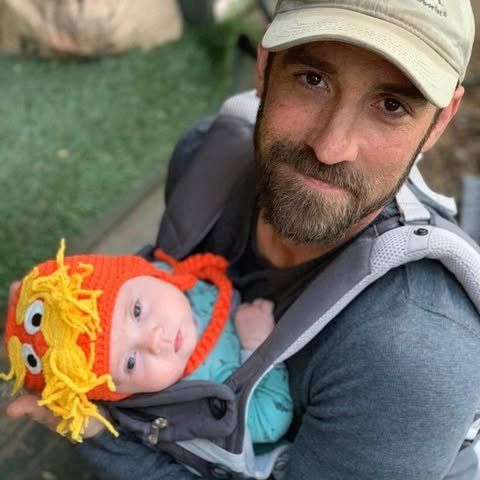
North King County and Snohomish County
John Huddleston
Phone: (253) 736-5286
Email: John@salishseatree.com
ASCA Registered Consulting Arborist #625
Board Certified Master Arborist®
Tree Risk Assessment Qualified
WE - 7660 BM
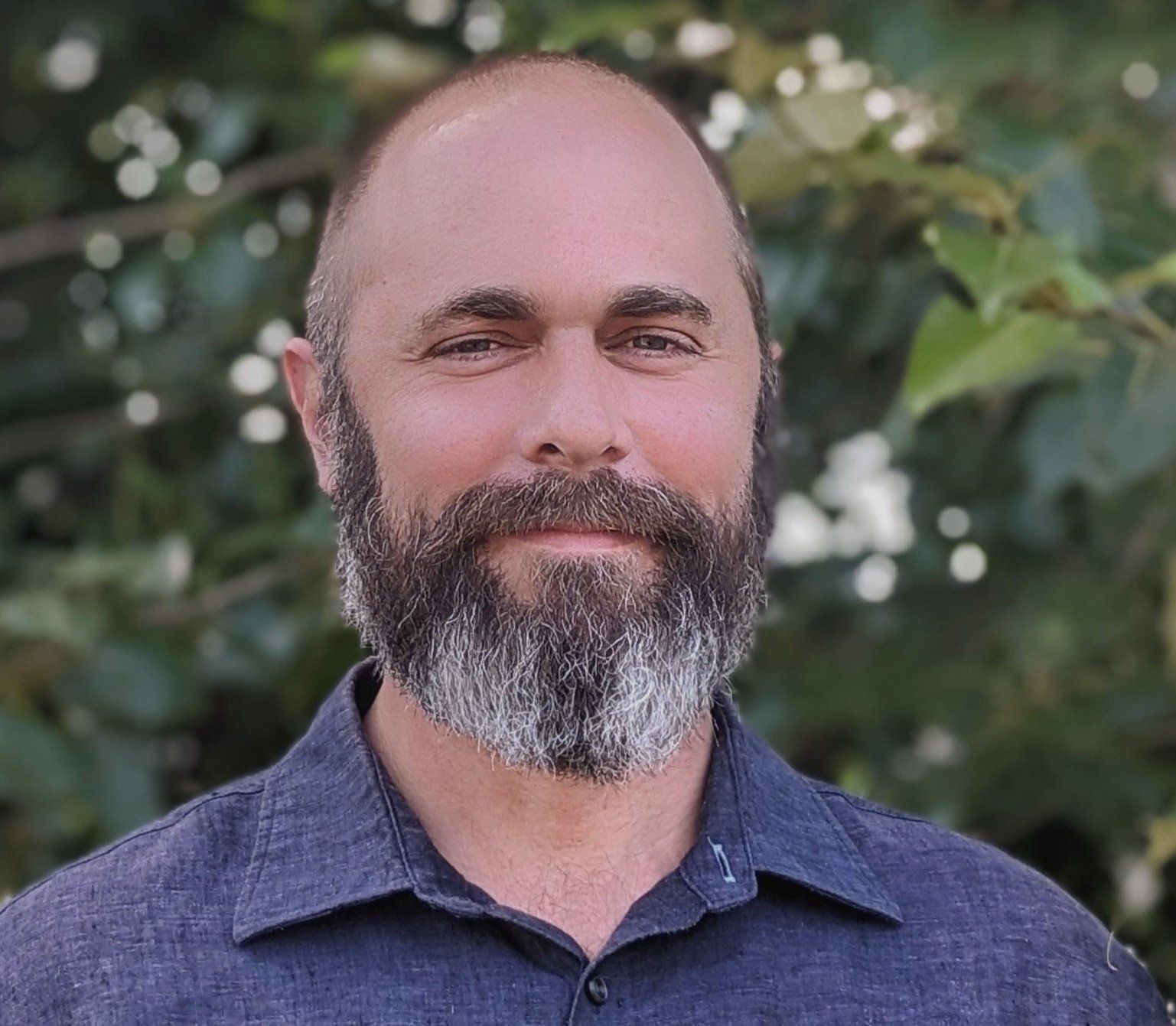
South King County and Peirce County
Nicholas Johnson
Phone: (206) 819-1294
Email: NicholasJohnson@salishseatree.com
ASCA Registered Consulting Arborist #827
Tree and Plant Appraisal Qualified
Board Certified Master Arborist®
Tree Risk Assessment Qualified
PN - 5662BM





