Root & Soil Management Services in Seattle, Tacoma, & The Puget Sound Region
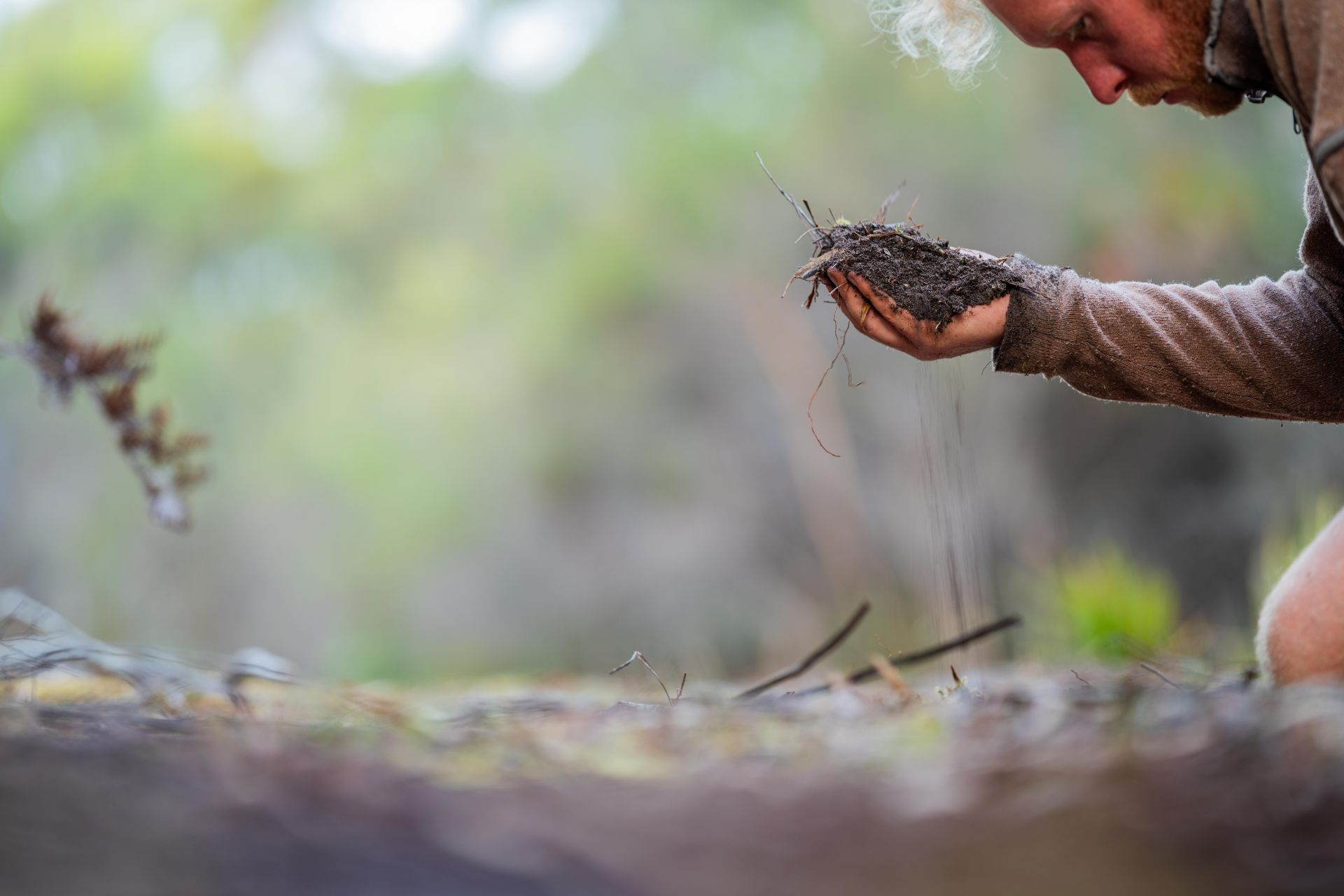
As Board Certified Master Arborists, we can play a critical role in diagnosing and improving root and soil conditions—the “hidden half” of tree health. In a region known for wet winters, dry summers, and often compacted or disturbed urban soils, root and soil work is frequently the difference between thriving trees and slow, unexplained decline.
A Master Arborist begins with assessment, not treatment. Root and soil problems often show up as thinning canopies, yellowing or undersized leaves, dieback, or leaning, but those symptoms can easily be mistaken for insects or disease. In the PNW, common underground issues include construction damage to roots, soil compaction from foot or vehicle traffic, poor drainage, overwatering, planting too deep, circling roots from container stock, and root rot diseases like Armillaria or Phytophthora.
Using visual inspection, soil probing, sometimes root collar excavations, and knowledge of local soil patterns, a Board Certified Master Arborist pieces together what’s really going on. They look at grading changes, downspouts and irrigation, nearby paving or retaining walls, and the tree’s planting history. In the Northwest’s glacial and volcanic soils—often heavy, layered, or poorly drained—small site changes can have big impacts on root function.
One foundational piece of root work in the PNW is correcting planting depth and root collar issues. Many trees are installed too deep, buried in mulch or fill soil. Over time this leads to girdling roots, decay at the base, and chronic stress. A Master Arborist may recommend and perform root collar excavation, gently removing excess soil and mulch with air tools (like an air spade) rather than shovels to avoid root damage. Exposing the flare, cutting select girdling roots, and restoring proper grade can dramatically improve oxygen availability and reduce decay risk.
Soil compaction is another major concern. In urban and suburban PNW sites, construction, parking, and even routine lawn use can compress soil, reducing pore space and suffocating roots. Heavy winter rains then sit in dense soil, driving out remaining oxygen and predisposing trees to root disease. Board Certified Master Arborists use techniques like air tilling or radial trenching, again with pneumatic tools, to loosen soil within the critical root zone without cutting major roots. They may incorporate organic matter or structural soils where appropriate, always with attention to drainage and species needs.
Because winter is wet and summers are increasingly dry, water management is central to root and soil care in the Pacific Northwest. Master Arborists evaluate whether trees are experiencing chronic saturation in winter (poor drainage, perched water tables, clay pans) and drought stress in summer (no irrigation, shallow roots, reflective heat from pavement). Solutions might include adjusting irrigation schedules, installing or redirecting drainage, expanding mulch rings to moderate soil moisture and temperature, and discouraging turf up to the trunk so roots aren’t competing with lawn for water and nutrients.
When root disease is suspected—such as Phytophthora in poorly drained sites or Armillaria in older landscapes—a Board Certified Master Arborist focuses less on “silver bullet” treatments and more on site modification and risk management. That can include improving drainage, removing severely infected high-risk trees, choosing resistant or tolerant species for replanting, and avoiding practices that keep root zones saturated. They understand that in the PNW, you can’t “chemical your way out” of chronic moisture problems.
Nutrient management and soil biology are also important aspects of root and soil work. Rather than defaulting to high-nitrogen fertilizers, a Master Arborist often starts with soil testing and visual indicators. Many PNW soils have adequate macronutrients but poor structure and low organic matter, especially in new developments where native topsoil has been stripped. Recommendations may include:
- Applying high-quality arborist wood chips as mulch
- Incorporating compost in targeted areas outside the main root plate
- Avoiding excessive tilling that destroys soil structure
- Using slow-release or targeted fertilizers only when truly needed
In some cases, they may suggest biochar, mycorrhizal inoculants, or other amendments, but always as part of a broader strategy, not a miracle cure.
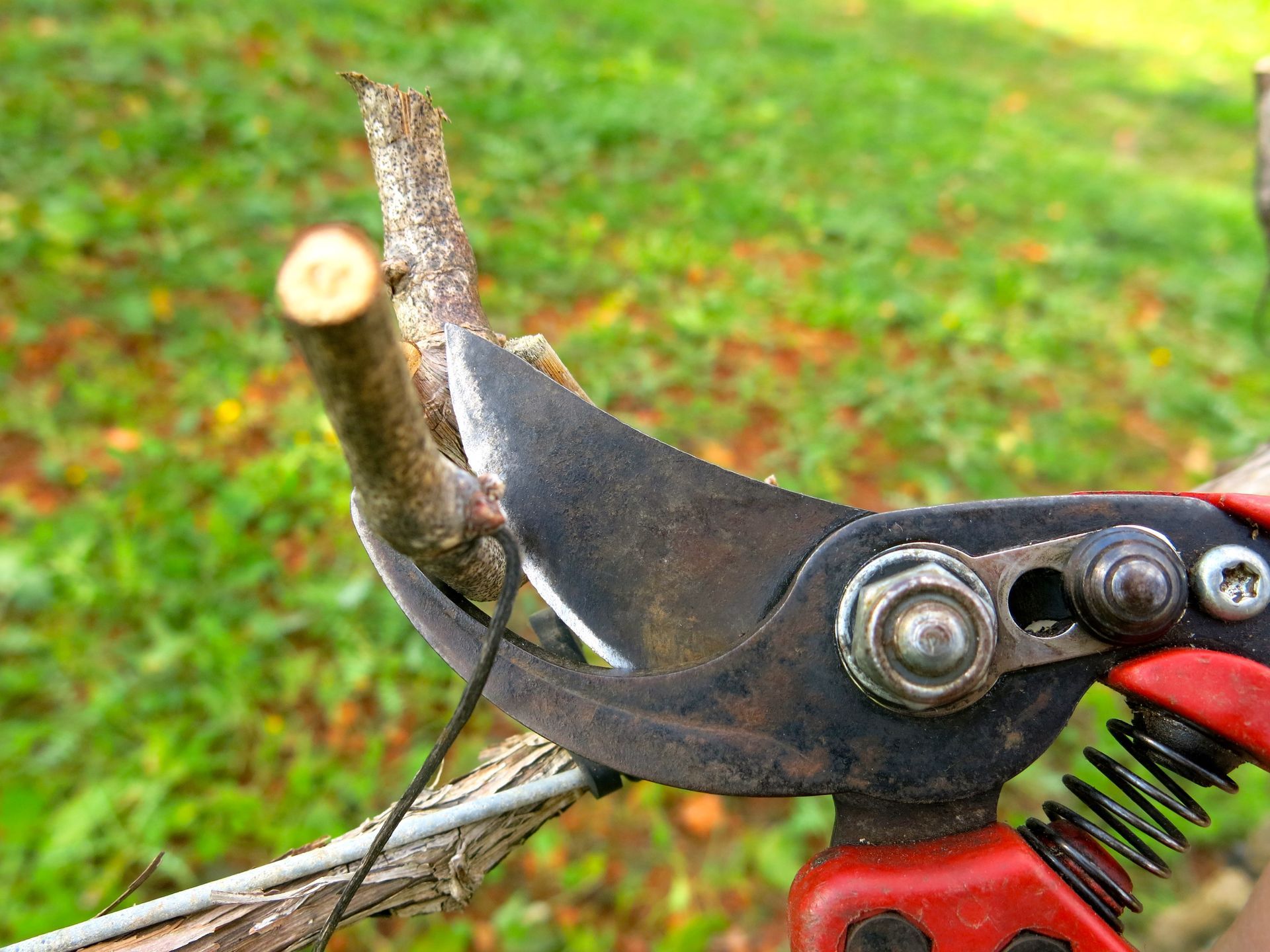
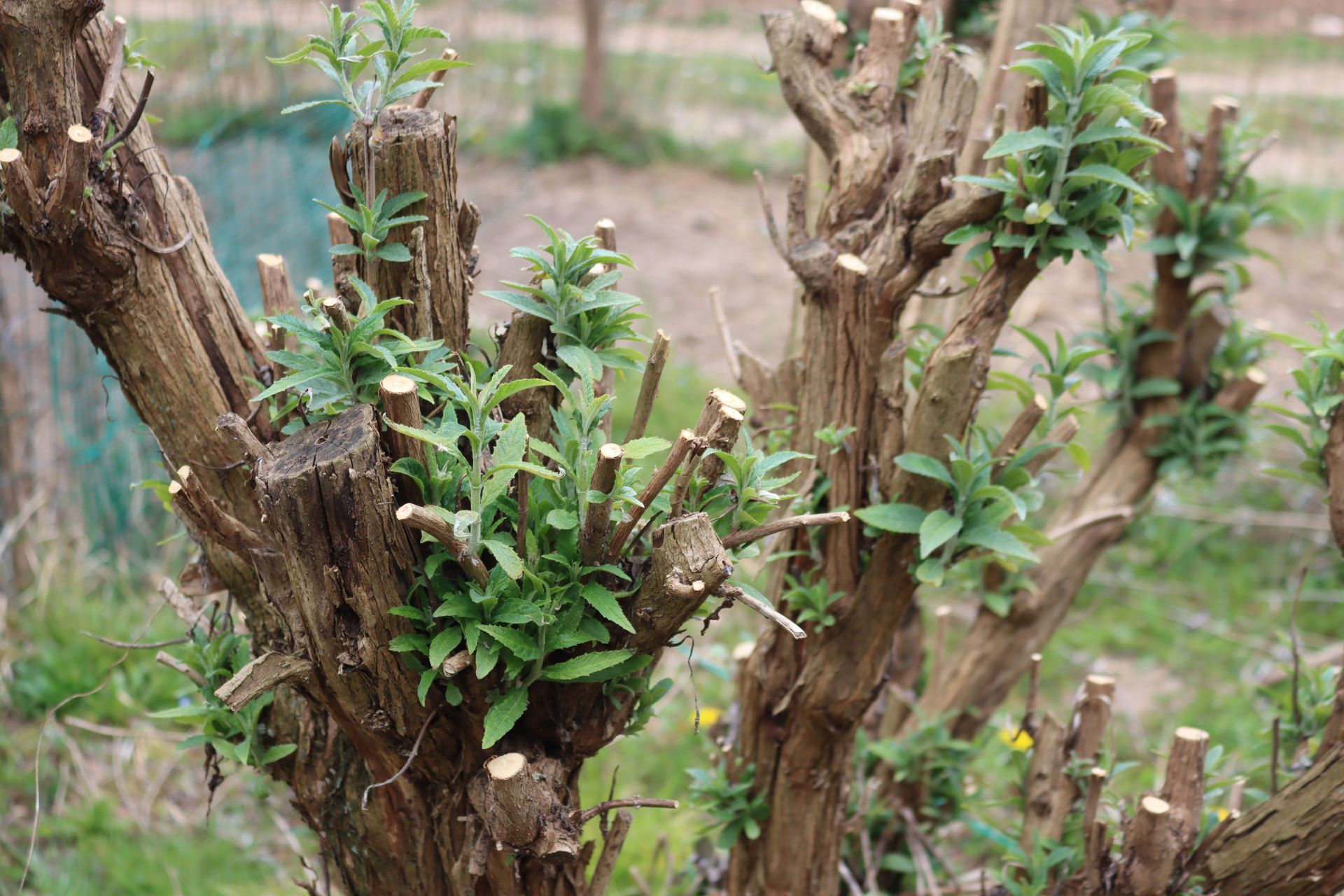
Root pruning and protection during construction is another critical service. In the PNW’s tree-filled neighborhoods, additions, utilities, and hardscapes often encroach on root zones. Board Certified Master Arborists can define tree protection areas, specify acceptable excavation methods, guide root pruning (timing, cuts, aftercare), and recommend design adjustments to preserve critical roots. They know that cutting major roots on one side of a tall conifer on wet, windy soils can dramatically increase failure risk.
Ultimately, root and soil work is about creating and maintaining conditions where roots can breathe, grow, and resist disease. Through careful diagnosis, non-destructive tools, and site-specific recommendations, they address the underlying causes of decline rather than just treating symptoms. For homeowners, this means healthier, more stable trees, fewer surprises in storms, and landscapes that are better adapted to the PNW’s challenging mix of water, weather, and urban pressure.

North King County and Snohomish County
John Huddleston
Phone: (253) 736-5286
Email: John@salishseatree.com
ASCA Registered Consulting Arborist #625
Board Certified Master Arborist®
Tree Risk Assessment Qualified
WE - 7660 BM
South King County and Peirce County
Nicholas Johnson
Phone: (206) 819-1294
Email: NicholasJohnson@salishseatree.com
ASCA Registered Consulting Arborist #827
Tree and Plant Appraisal Qualified
Board Certified Master Arborist®
Tree Risk Assessment Qualified
PN - 5662BM





