Professional Tree Consulting Services in Seattle, Tacoma, & The Puget Sound Region
Registered Consulting Arborists (RCAs) provide a specialized, highly technical layer of tree expertise in the Pacific Northwest—distinct from day‑to‑day pruning or removals. Their work centers on investigation, analysis, documentation, and expert guidance, especially where trees intersect with risk, construction, legal disputes, and high‑value assets.
In the PNW, where tall conifers, aging broadleaf trees, steep slopes, and wet soils are common, RCAs are frequently called when the stakes are high and the questions are complex. They don’t just say “yes” or “no” to cutting a tree; they analyze why a problem is happening, what options exist, and what the likely outcomes of each choice will be.
A major part of an RCA’s role in the Pacific Northwest is tree risk assessment and risk management. With frequent winter storms, saturated soils, and large trees close to homes, questions like “Is this tree safe?” are common—but the answer is rarely simple. RCAs use structured, defensible methods (often based on ISA and ANSI standards) to evaluate tree condition, structural defects, site factors, and targets. They consider species behavior in PNW conditions—Douglas‑fir in wind, western redcedar with root issues, bigleaf maple with large, spreading limbs—and translate technical observations into clear, written opinions about relative risk and management options.
Construction and development consulting is another major focus. In rapidly growing PNW metro areas—Seattle, Portland, Vancouver and beyond—RCAs help developers, architects, engineers, and homeowners integrate trees into projects without compromising safety or code compliance. Their work can include:
- Tree inventories and health/structure ratings
- Tree protection plans for grading, trenching, and building
- Feasibility studies for preserving specific trees
- Root zone impact assessments and mitigation strategies
Because many local jurisdictions have critical areas, tree preservation ordinances, and canopy requirements, RCAs often bridge the gap between code language and on‑the‑ground reality. They prepare reports, plans, and monitoring protocols that satisfy regulators while providing realistic guidance to contractors and owners.
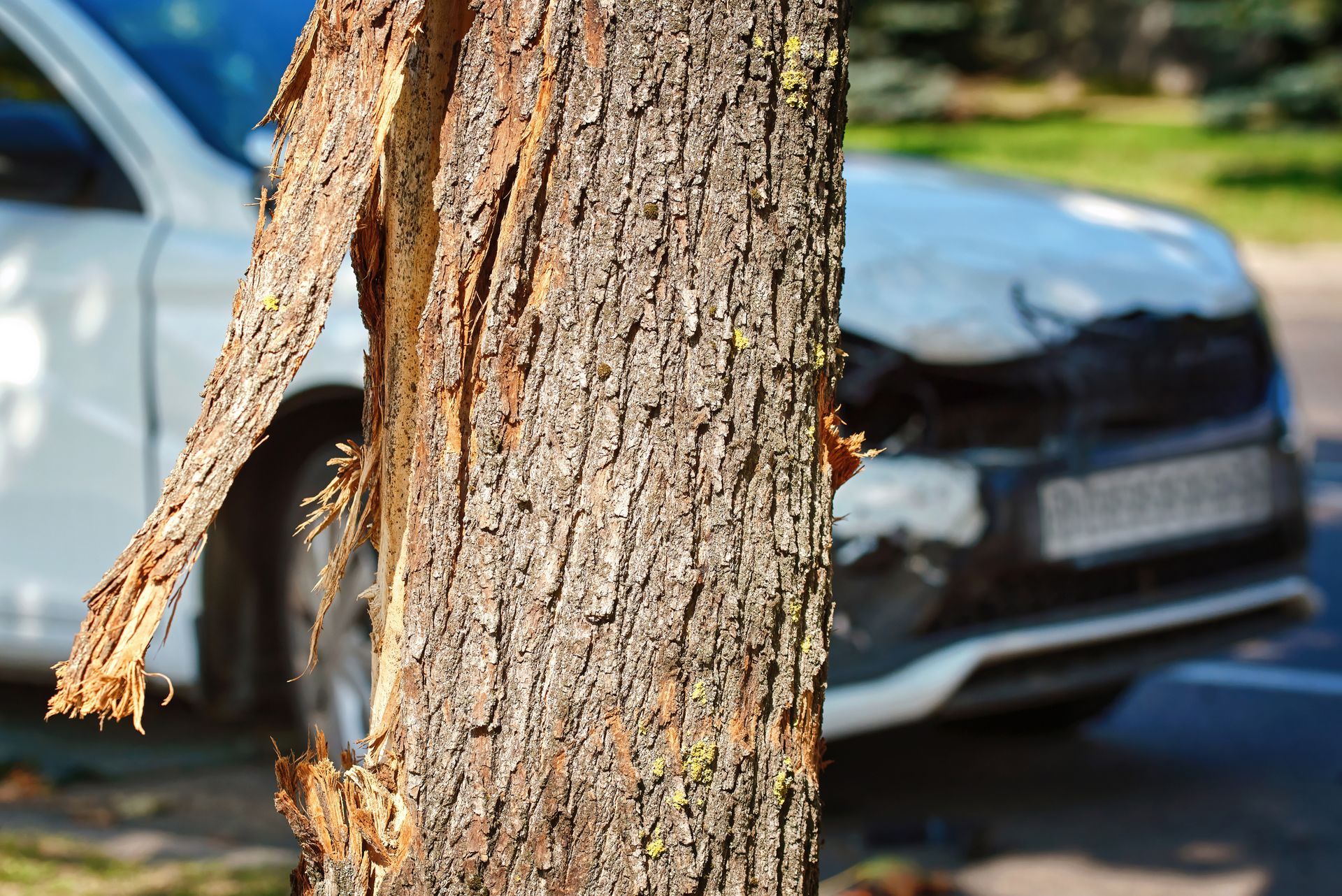
RCAs also perform forensic and diagnostic work—figuring out what went wrong and why. In the PNW this might involve investigating a tree failure after a storm, a decline following nearby construction, or unexpected mortality in a group of trees. They evaluate root damage, grading changes, drainage, root rot, prior pruning or topping, and soil compaction, then provide a documented professional opinion on causation and contributing factors. This type of work can be important for insurance claims, risk policy, and future planning.
Dispute resolution and expert witness work are additional areas where RCAs are active. Neighbors may disagree about boundary trees, view obstruction, root damage, or responsibility for hazardous trees. Municipalities may face challenges over removals or preservation decisions. In these situations, RCAs:
- Conduct impartial assessments of tree condition and risk
- Interpret local ordinances and standards of care
- Prepare clear, evidence‑based reports
- Testify in depositions, hearings, or court when needed
Their training emphasizes not just arboricultural knowledge, but also report writing, documentation, and defensible methodology—crucial when decisions may be scrutinized by attorneys, judges, or insurance adjusters.
In the environmental and land‑use arena, RCAs in the PNW often contribute to larger planning efforts. They may work on:
- Tree and vegetation management plans for parks, campuses, and HOAs
- Critical area buffers and riparian corridor assessments
- Slope stability and vegetation recommendations on steep sites
- Long‑term urban forest management strategies for cities and counties
Here, the RCA’s value lies in connecting individual tree assessments to broader ecosystem and policy goals: canopy cover, habitat, stormwater management, and climate resilience.
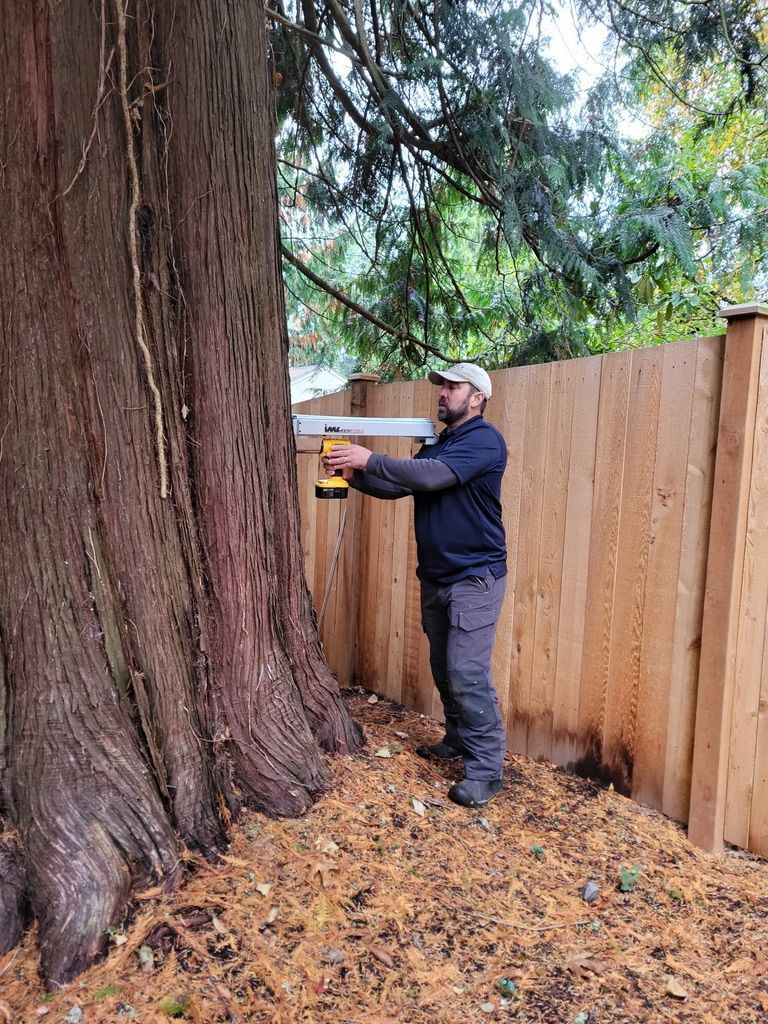
On the technical side, RCAs may use or specify advanced diagnostic tools and methods when appropriate—such as resistance drilling for decay detection, root crown excavation with air tools, soil testing, or detailed mapping—while also recognizing when simple, low‑tech observation is sufficient. Their responsibility is to recommend proportionate, cost‑effective investigation that actually answers the client’s questions.
Communication is central to Registered Consulting Arborist work. In the PNW, clients range from homeowners to multinational developers, city planners, utilities, and legal teams. RCAs must translate technical arboriculture into clear, practical language: what’s happening, what the options are, the relative risks and benefits, and the likely costs and timelines. Their deliverables—reports, letters, plans, and presentations—are designed to be understood and defensible, not just by other arborists but by non‑specialists making decisions.
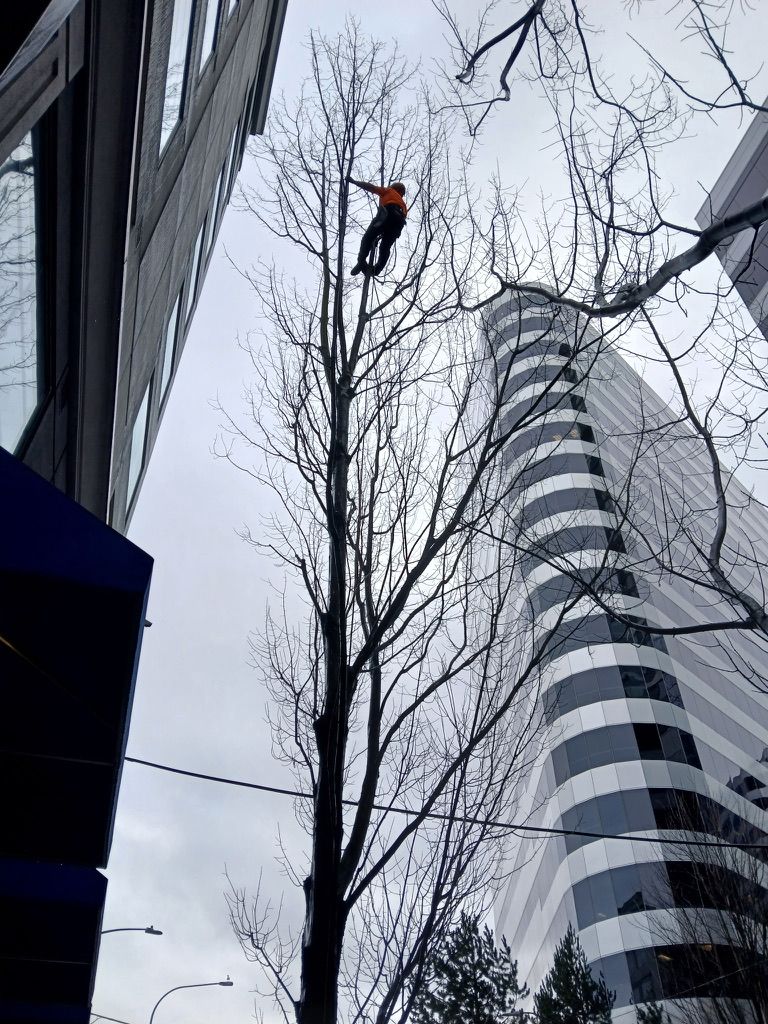
Ultimately, an RCA in the Pacific Northwest is a problem‑solver and trusted advisor on complex tree issues. Where day‑to‑day arborists focus on performing tree work, Registered Consulting Arborists focus on asking the right questions, gathering relevant evidence, and guiding high‑stakes decisions about trees in a region where they are both defining assets and significant sources of risk.
North King County and Snohomish County
John Huddleston
Phone: (253) 736-5286
Email: John@salishseatree.com
ASCA Registered Consulting Arborist #625
Board Certified Master Arborist®
Tree Risk Assessment Qualified
WE - 7660 BM
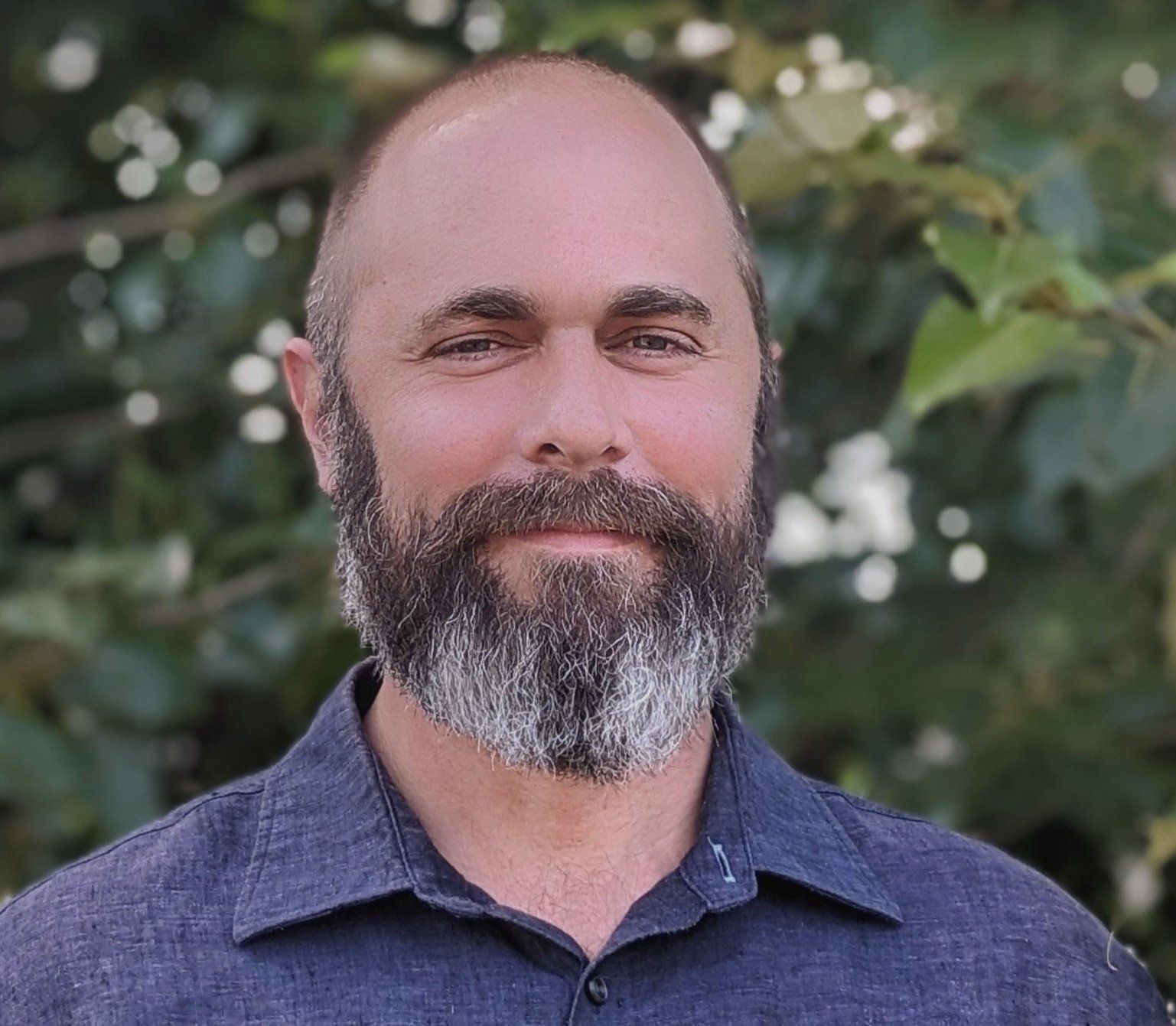
South King County and Pierce County
Nicholas Johnson
Phone: (206) 819-1294
Email: NicholasJohnson@salishseatree.com
ASCA Registered Consulting Arborist #827
Tree and Plant Appraisal Qualified
Board Certified Master Arborist®
Tree Risk Assessment Qualified
PN - 5662BM





