Tree Removal in Snohomish, WA
Salish Sea Tree Care & Consulting provides expert tree removal serving Snohomish, WA, handling hazardous, storm-damaged, and structurally failing trees with a safety-first approach built on ISA Board Certified Master Arborist credentials. Call (253) 736-5286 for a free estimate. Whether you have a leaning Douglas-fir over a roofline in the Snohomish River Valley, a storm-split cedar near the Machias Road corridor, or a declining bigleaf maple on a tight residential lot, the team at Salish Sea Tree Care & Consulting brings the training, equipment, and judgment to do the job safely and efficiently.
Why Snohomish Properties Need Professional Tree Removal
Safe tree removal requires more than a chainsaw. Snohomish County properties often feature tall conifers, including Douglas-fir, western red cedar, and hemlock, growing close to homes, fences, driveways, and utility lines. Saturated winter soils along the Snohomish River floodplain can destabilize root systems, creating lean and basal decay that aren't always visible from the ground. Professional assessment can catch these risks before they become emergencies.
Trees may need removal when they show disease, severe structural defects, storm damage, or interference with structures and utilities. Removal can also improve light, reduce competition, and protect surrounding plantings. The team evaluates each situation carefully, and removal is never recommended unless it's the right call.
What Is the Tree Removal Process in Snohomish?
Every tree removal serving Snohomish follows a deliberate, safety-driven sequence.
1. Site assessment: a Board Certified Master Arborist evaluates species, structure, root health, and surrounding targets using ISA risk assessment standards.
2. Removal planning: crew roles, equipment needs, and rigging or crane requirements are established before any cutting begins.
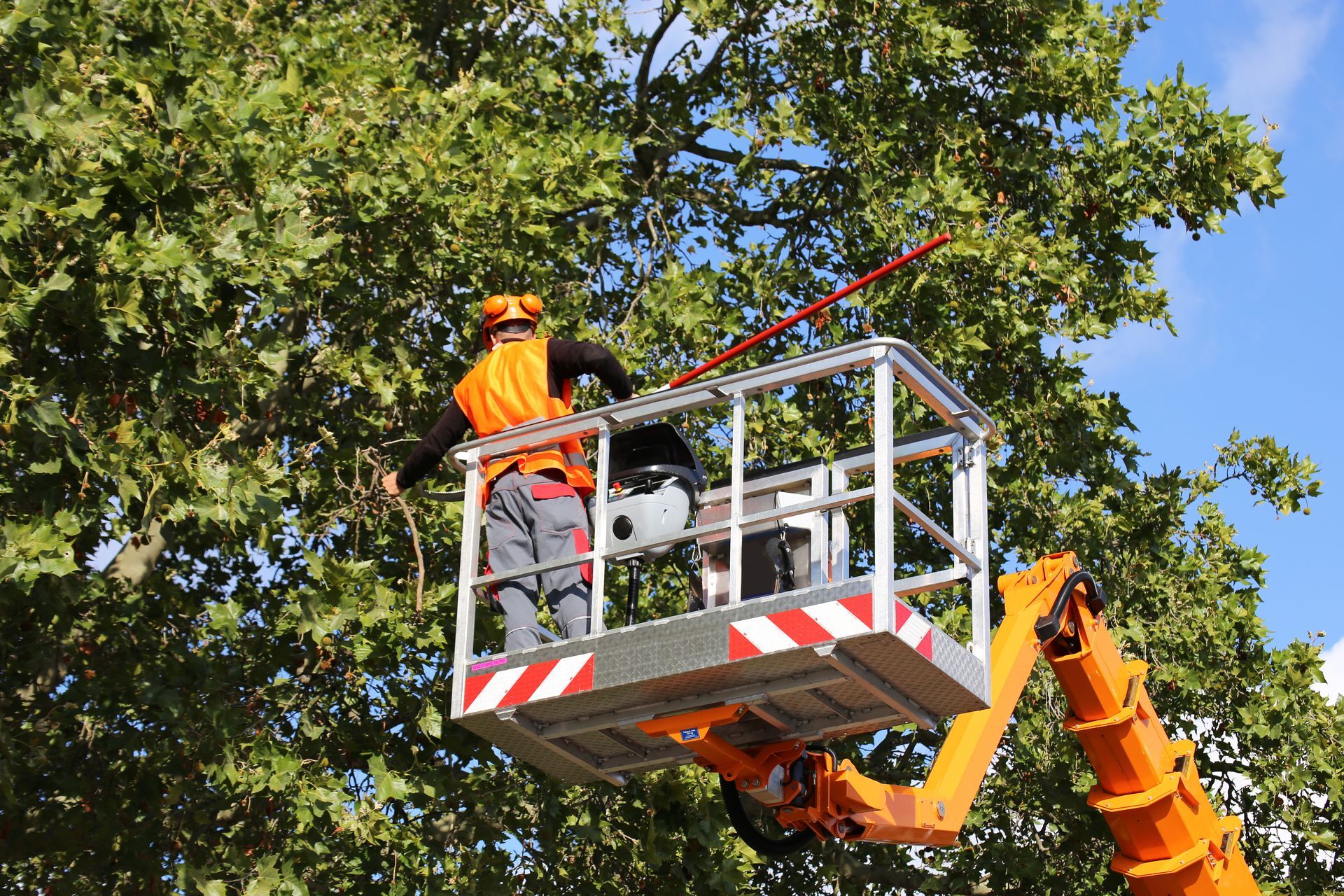
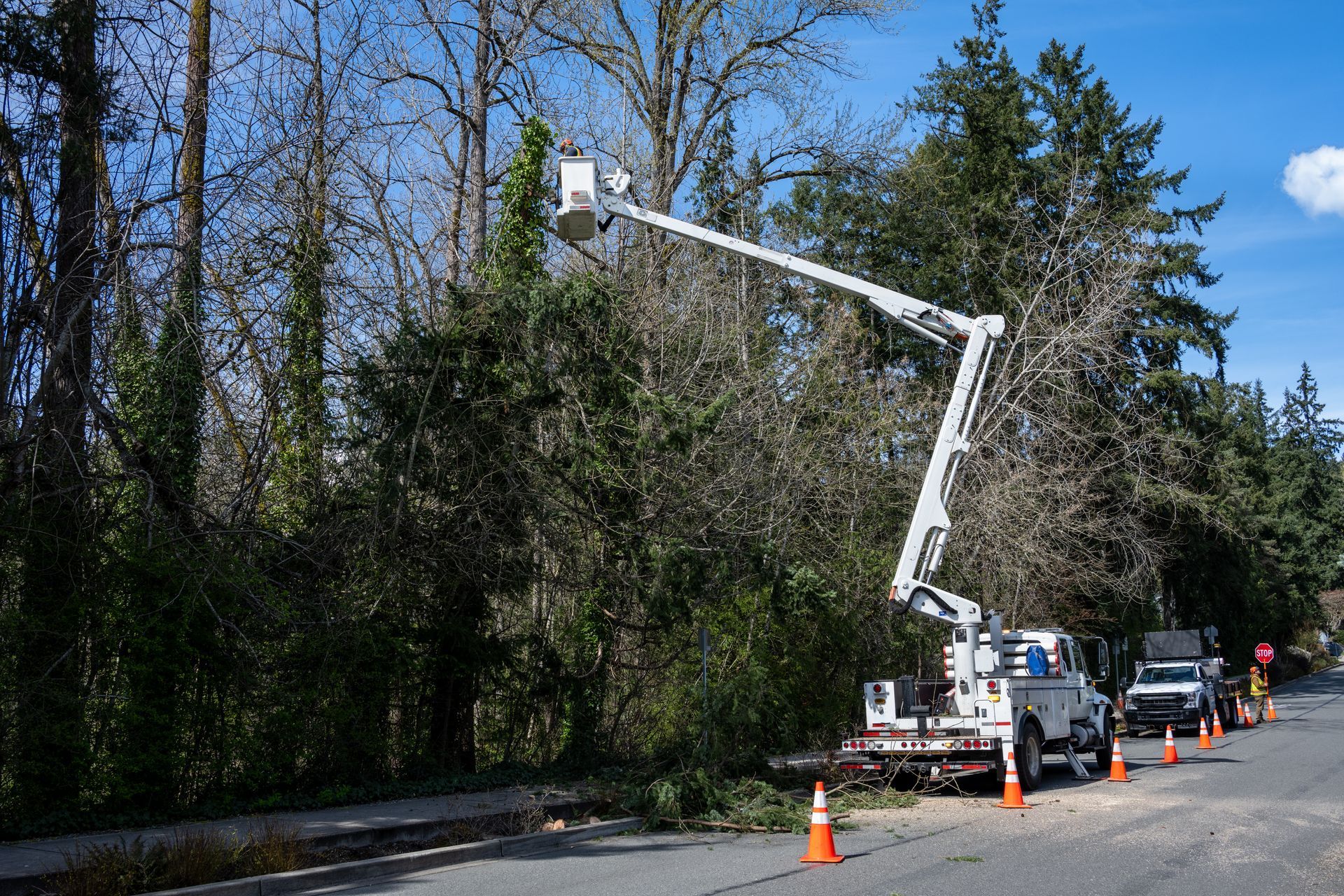
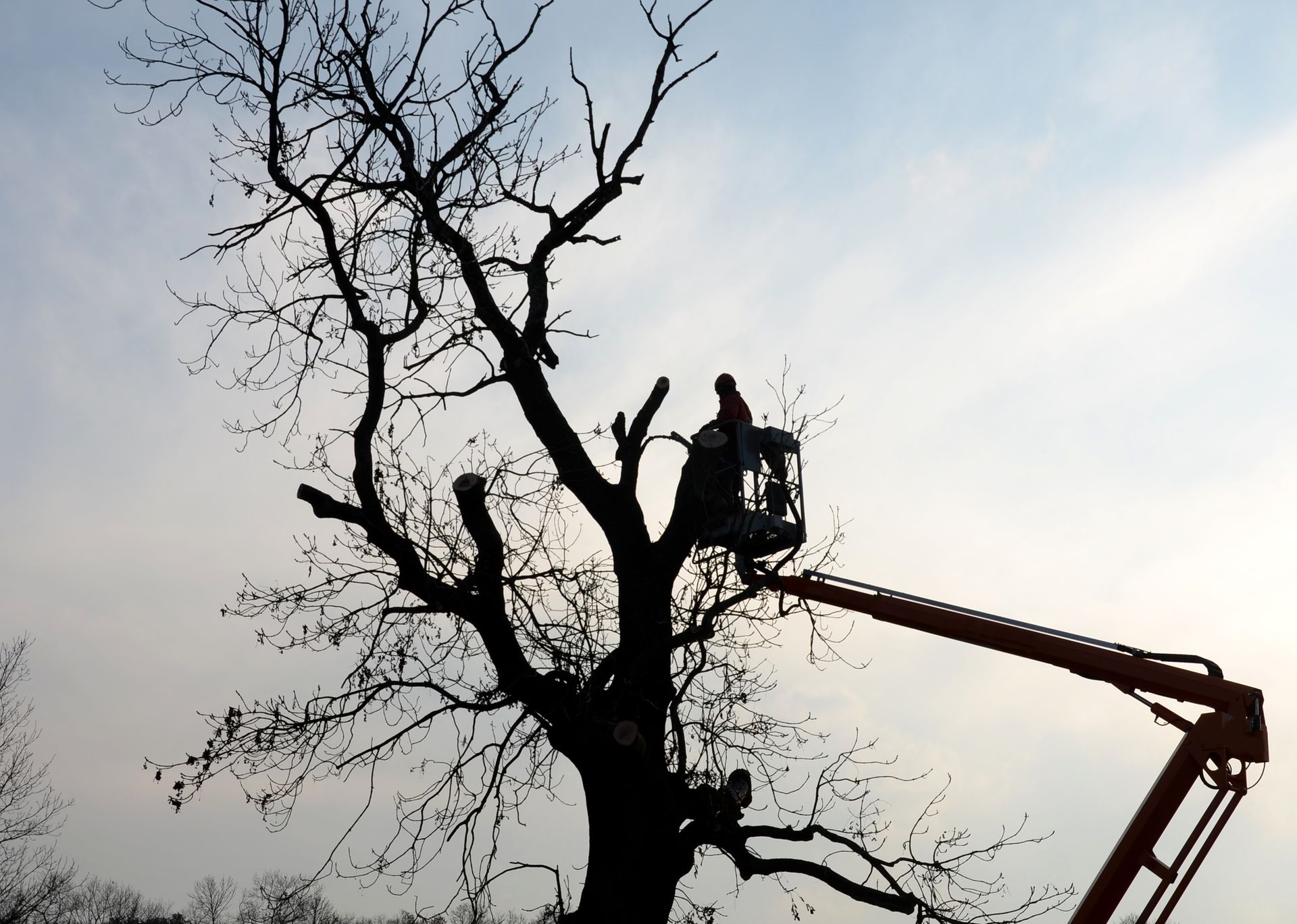
3. Controlled removal: sections are rigged or crane-lifted away from structures, following ANSI safety standards throughout.
4. Site cleanup: wood, brush, and debris are cleared, leaving the property clean and ready for what comes next.
Emergency Storm Damage Tree Removal
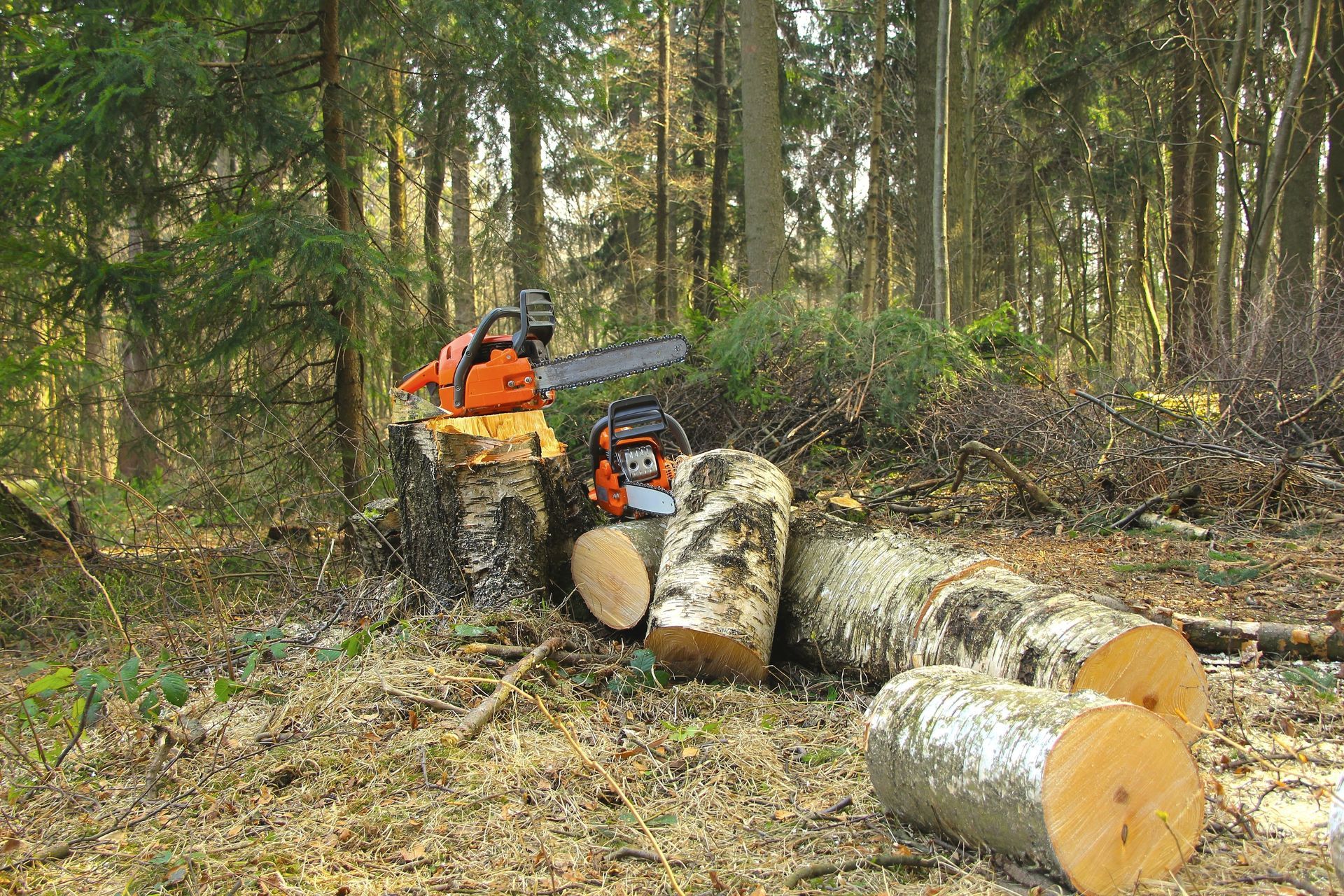
Pacific Northwest windstorms can create dangerous tree situations overnight. Snohomish properties are exposed to south and southwest winds that test tall conifers, especially where roots have been compromised by construction or saturated soils. When a tree fails or is at imminent risk, the team responds efficiently and calmly, stabilizing your property and completing removal with experienced oversight. Find
Salish Sea Tree Care & Consulting for reviews and location details.
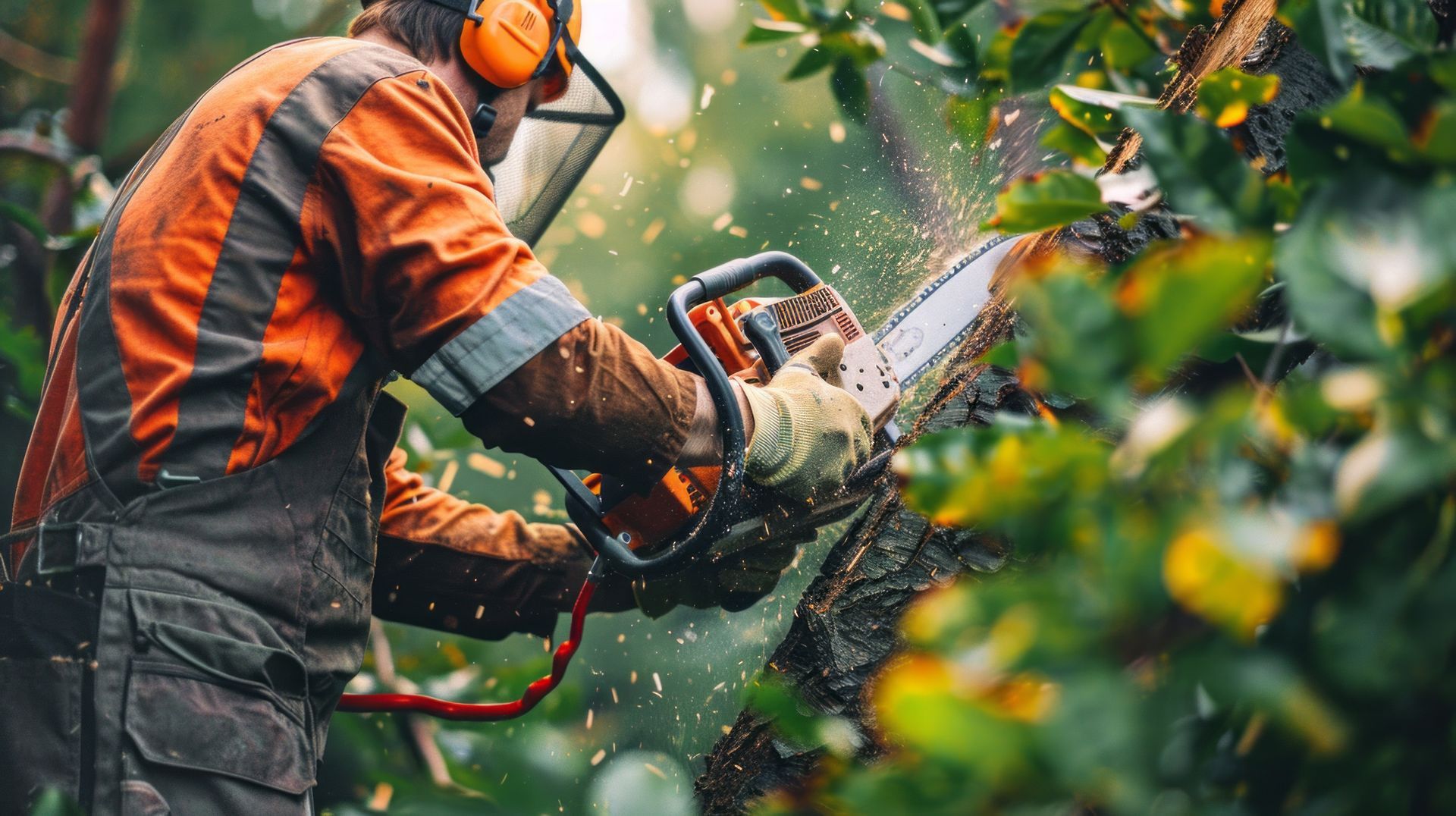
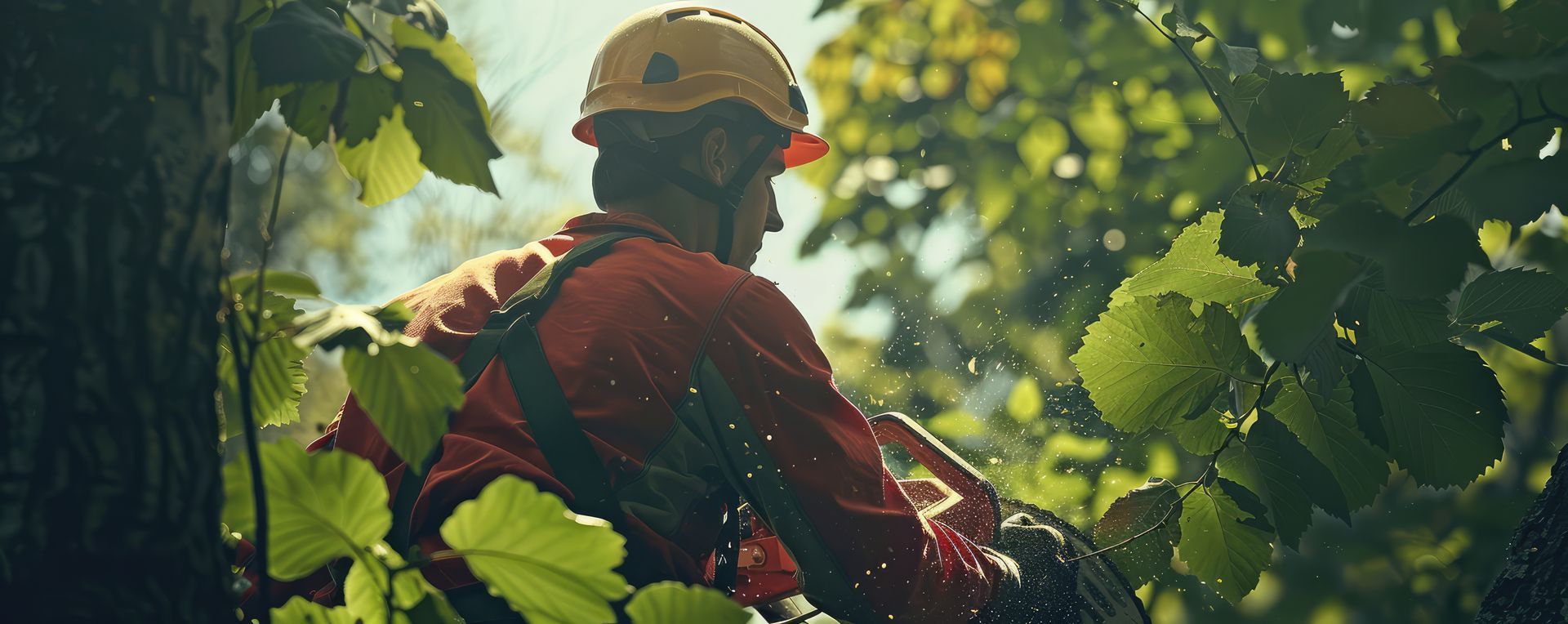
Ultimately, professional arborist tree removal is about managing risk and respecting the role of trees in the landscape. The combination of tall, heavy trees, frequent storms, and dense development makes “do-it-yourself” removal especially dangerous. By hiring a trained, insured arborist with regional experience, homeowners reduce liability, protect property and neighbors, and ensure that when a tree must be removed, it’s done safely, efficiently, and with an eye toward the long-term health and beauty of the site.
North King County and Snohomish County
John Huddleston
Phone: (253) 736-5286
Email: John@salishseatree.com
ASCA Registered Consulting Arborist #625
Board Certified Master Arborist®
Tree Risk Assessment Qualified
WE - 7660 BM
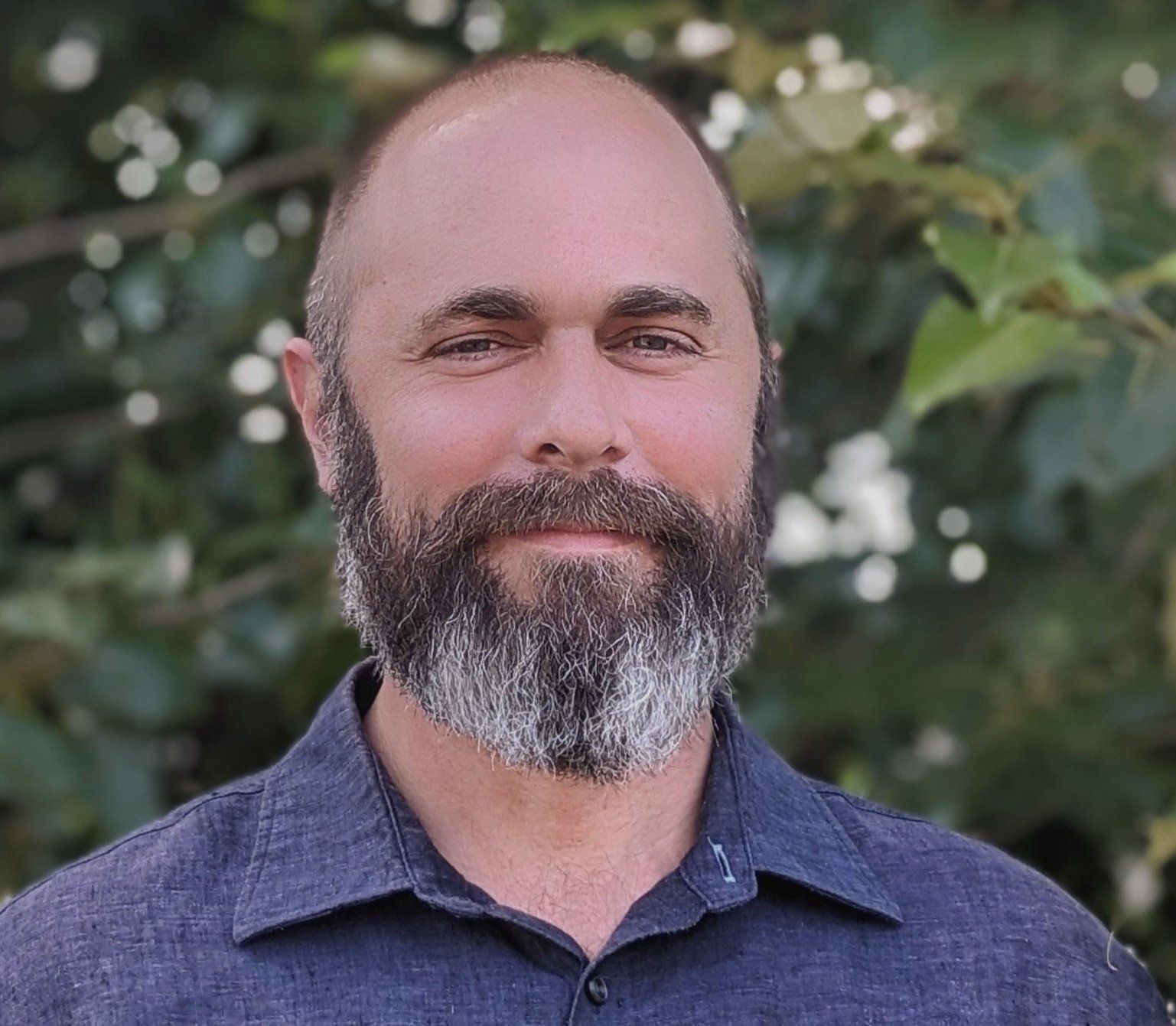
South King County and Peirce County
Nicholas Johnson
Phone: (206) 819-1294
Email: NicholasJohnson@salishseatree.com
ASCA Registered Consulting Arborist #827
Tree and Plant Appraisal Qualified
Board Certified Master Arborist®
Tree Risk Assessment Qualified
PN - 5662BM
Why Choose Salish Sea Tree Care & Consulting
Licensed, bonded, and insured. ISA Board Certified Master Arborists. ASCA Registered Consulting Arborists. TRAQ Tree Risk Assessment Qualified. These credentials matter when a large tree is coming down near your home. Explore additional certified arborist services and tree risk assessment to understand the full scope of how the team can protect your property. Call (253) 736-5286 or contact online to schedule your free removal estimate today.





