Tree Planting & Transplanting Services in Seattle, Tacoma, & The Puget Sound Region
In the Pacific Northwest, planting and transplanting trees may look simple—dig a hole, move a tree, add water—but the region’s unique climate, soils, and species make professional arborist involvement especially valuable. Properly planted trees can thrive for generations; poorly planted or moved trees often struggle for years, then fail prematurely.
A professional arborist begins with site assessment, not a shovel. In the PNW, heavy clay soils, winter saturation, and dry summers are common. An arborist evaluates drainage, soil compaction, sun exposure, wind patterns, overhead wires, underground utilities, and existing roots or structures. This determines which species will succeed and where they should go. A tree that thrives in a sunny, well-drained hillside in eastern Washington may fail in a shaded, waterlogged backyard west of the Cascades.
Species selection is one of the most important services a professional provides. The PNW offers a rich native palette—Douglas-fir, western red cedar, bigleaf maple, Pacific dogwood—as well as many adapted ornamentals. A good arborist matches species to site conditions and homeowner goals: height limits near power lines, root behavior near foundations, needle vs broadleaf litter, and susceptibility to local pests and diseases. Choosing the right tree for the right place avoids future conflicts with buildings, views, and infrastructure, and reduces pest and disease pressure.
Proper planting technique is where arborist training really shows. Many landscape problems start on day one: trees planted too deep, root balls left wrapped in burlap and wire, circling roots ignored, or holes dug like narrow “post holes” instead of wide planting basins. In the wet, compacted soils common to the PNW, these mistakes are magnified.
A professional arborist will:
- Locate and expose the root flare (where the trunk broadens into roots) and ensure it sits at or slightly above finished grade. Planting too deep suffocates roots and invites decay at the base.
- Correct circling or girdling roots from container-grown trees by shaving or cutting them so they grow outward.
- Dig a hole 2–3 times wider than the root ball, but no deeper, with loosened sidewalls to encourage lateral root spread.
- Backfill with the existing soil (often amended only lightly, if at all) to avoid creating a “pot” that traps water and roots.
- Water thoroughly to settle soil and eliminate air pockets, then apply a proper mulch ring—2–4 inches deep, kept away from the trunk.
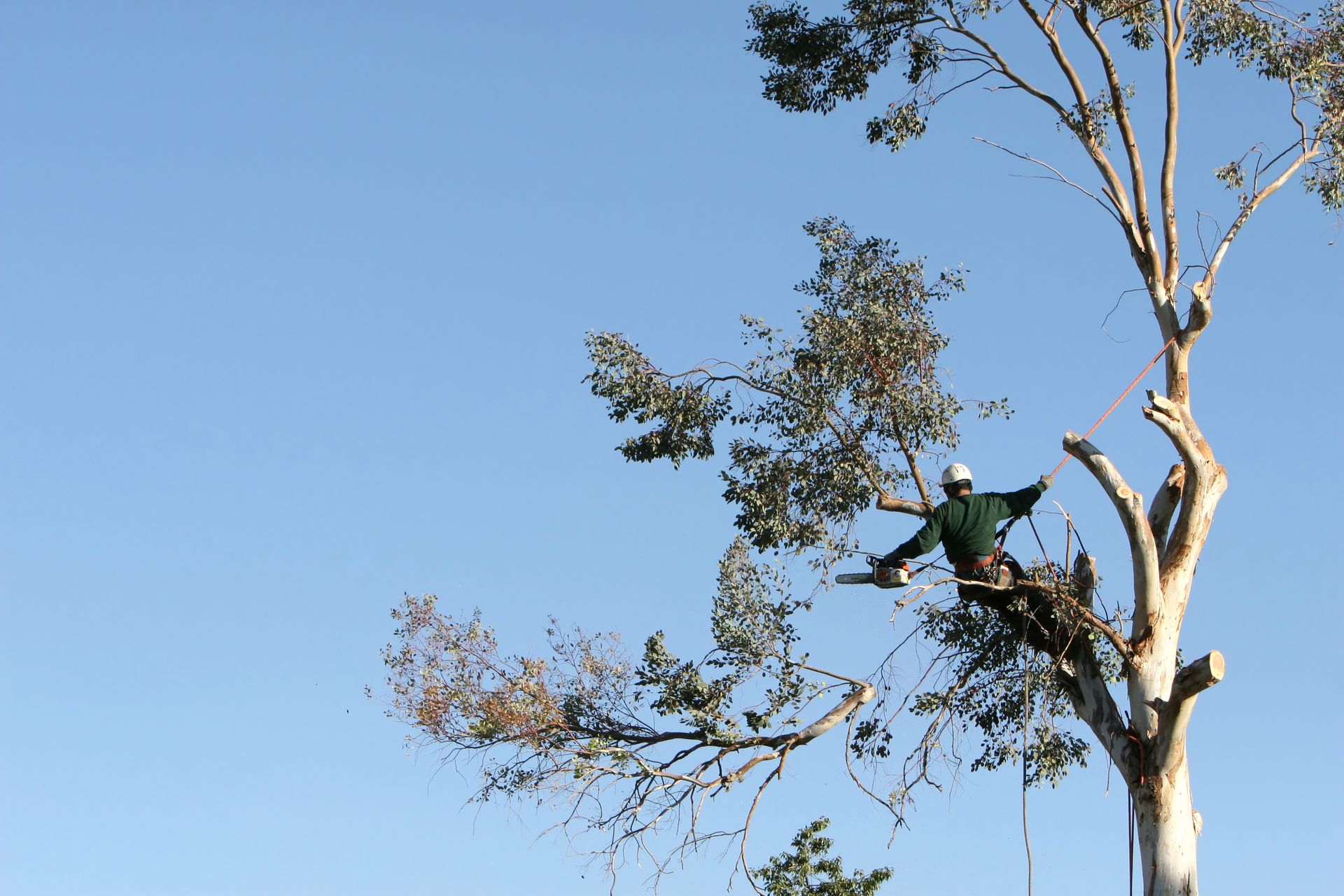
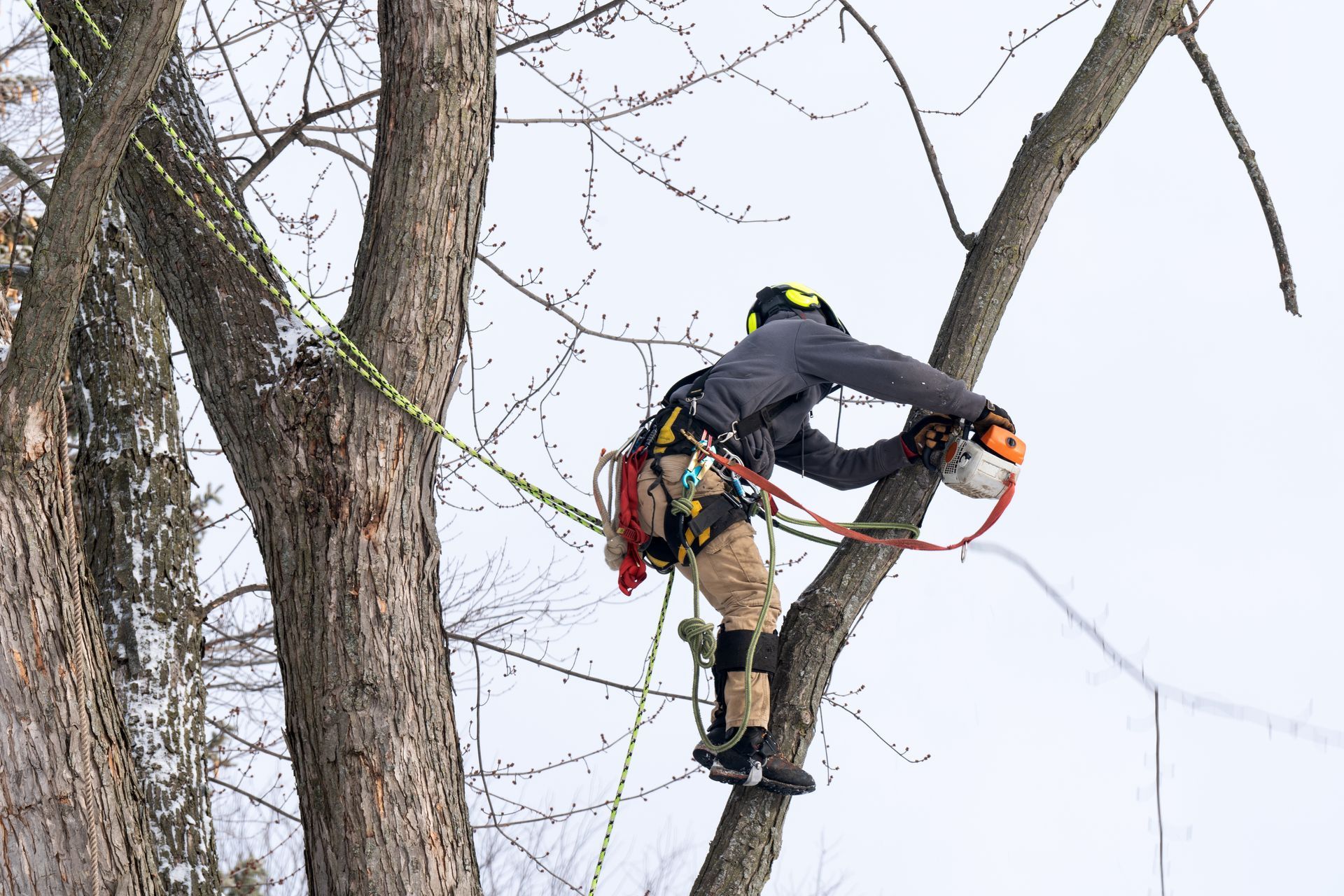
In the PNW, drainage is critical. Arborists recognize when raised planting, French drains, or soil modification are necessary to keep roots from sitting in saturated soil through the winter. They also plan for summer drought, recommending irrigation strategies to help young trees establish deep, resilient root systems.
Transplanting established trees raises the level of complexity even more. Moving a tree—whether it’s a small ornamental or a large specimen—requires careful planning, timing, and technical skill. In the Pacific Northwest, timing is typically fall through early spring, when soils are workable and trees are dormant or less active, reducing transplant shock.
A professional arborist will:
- Evaluate whether a tree is a good transplant candidate: species, size, age, health, root condition, and structural soundness all matter. Some species and older trees simply do not transplant well.
- Determine the appropriate root ball size and, when possible, “root prune” months in advance. Root pruning encourages new feeder roots closer to the trunk, increasing survival when the tree is eventually moved.
- Use proper equipment and rigging—tree spades, cranes, skid-steers, or manual methods—depending on access, tree size, and soil conditions. In the PNW’s often steep or muddy sites, safe access is crucial.
- Prepare the new planting site in advance, ensuring soil conditions and drainage are suitable before the tree arrives.
Post-transplant care is as important as the move itself. Transplanted trees experience root loss and need careful water management—enough to keep the root ball moist, but not waterlogged. In the PNW, that often means supplemental watering in the first two to three dry seasons, even if winter rains are generous. Arborists may recommend temporary staking, protective fencing, and monitoring for pests, sunscald, or dieback, adjusting care as the tree responds.
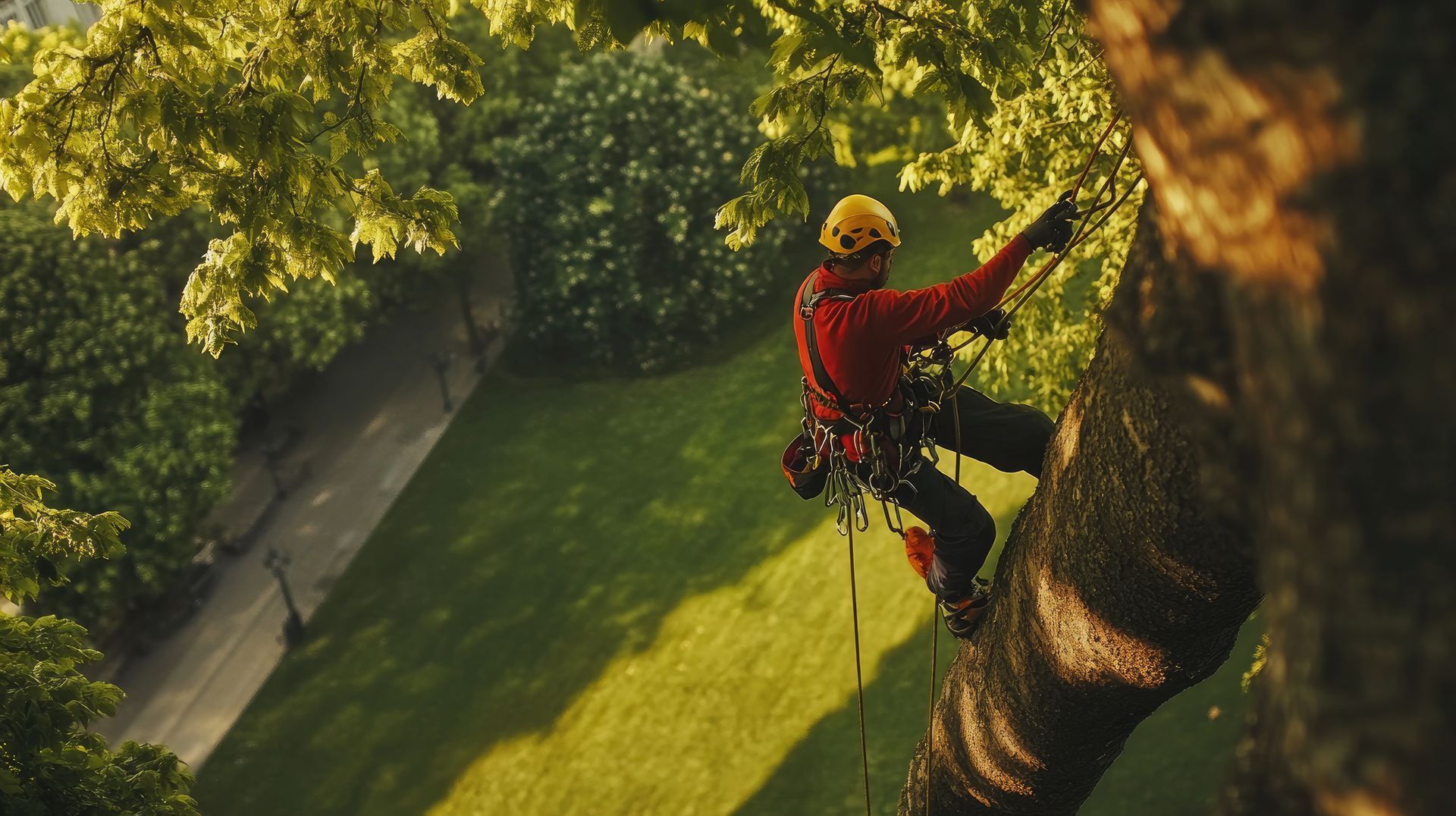
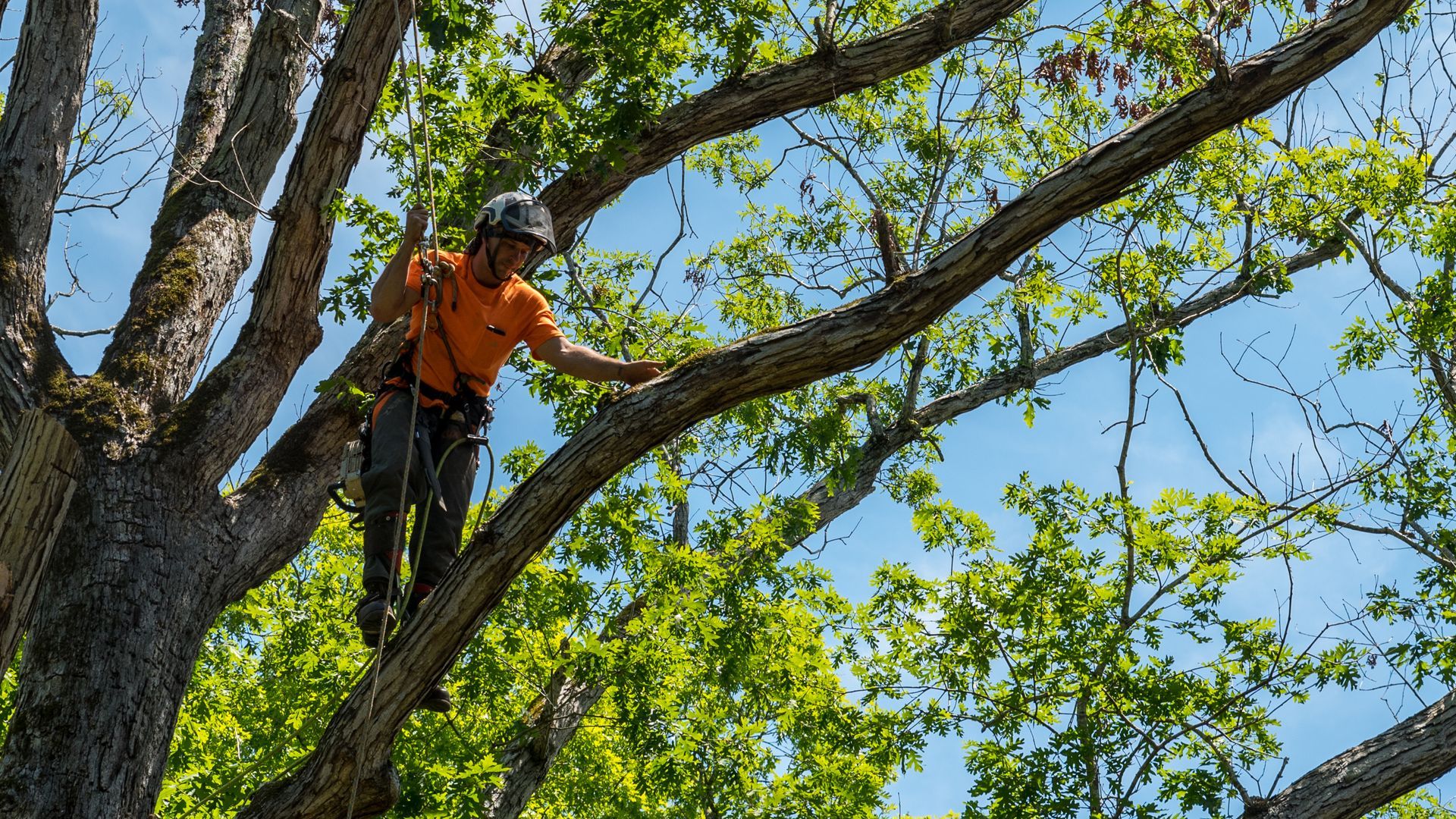
Engaging a professional arborist for planting and transplanting in the Pacific Northwest provides long-term value. Trees are major investments; they affect property value, energy use, and safety. By combining knowledge of local climate and soils with sound biology and best practices, arborists give new and relocated trees the best possible start—reducing failure, minimizing future conflicts, and helping create resilient, beautiful landscapes that fit the region’s unique environment.

North King County and Snohomish County
John Huddleston
Phone: (253) 736-5286
Email: John@salishseatree.com
ASCA Registered Consulting Arborist #625
Board Certified Master Arborist®
Tree Risk Assessment Qualified
WE - 7660 BM

South King County and Peirce County
Nicholas Johnson
Phone: (206) 819-1294
Email: NicholasJohnson@salishseatree.com
ASCA Registered Consulting Arborist #827
Tree and Plant Appraisal Qualified
Board Certified Master Arborist®
Tree Risk Assessment Qualified
PN - 5662BM





