Professional Tree Care Services in Seattle, Tacoma, & The Puget Sound Region
Tree Diagnosis & Health Assessments are essential for valuable landscapes of the Pacific Northwest, where climate, soils, and species create both ideal growing conditions and complex stressors. As Board Certified Master Arborists, it's our job to figure out why a tree is declining, what level of risk it presents, and what can realistically be done—based on science, local experience, and formal methodology.
A Master Arborist starts with history and context, not just symptoms. They ask when the issue was first noticed, what recent changes have occurred (construction, grading, new irrigation, storms), and how the tree has been managed in the past. In the PNW, even subtle changes to drainage, soil level, or nearby root disturbance can trigger decline months or years later.
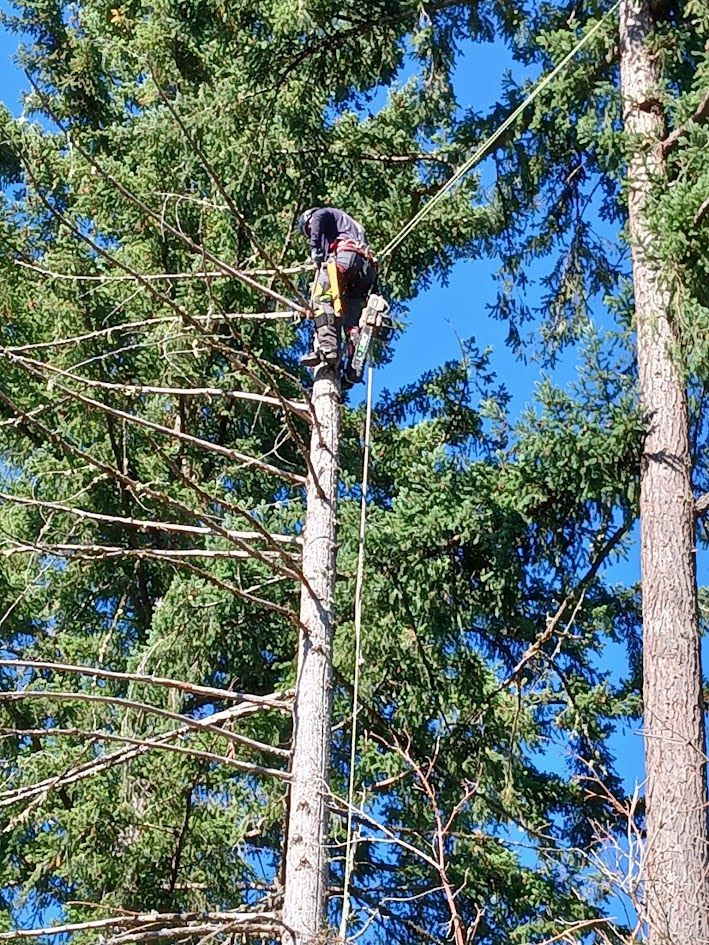
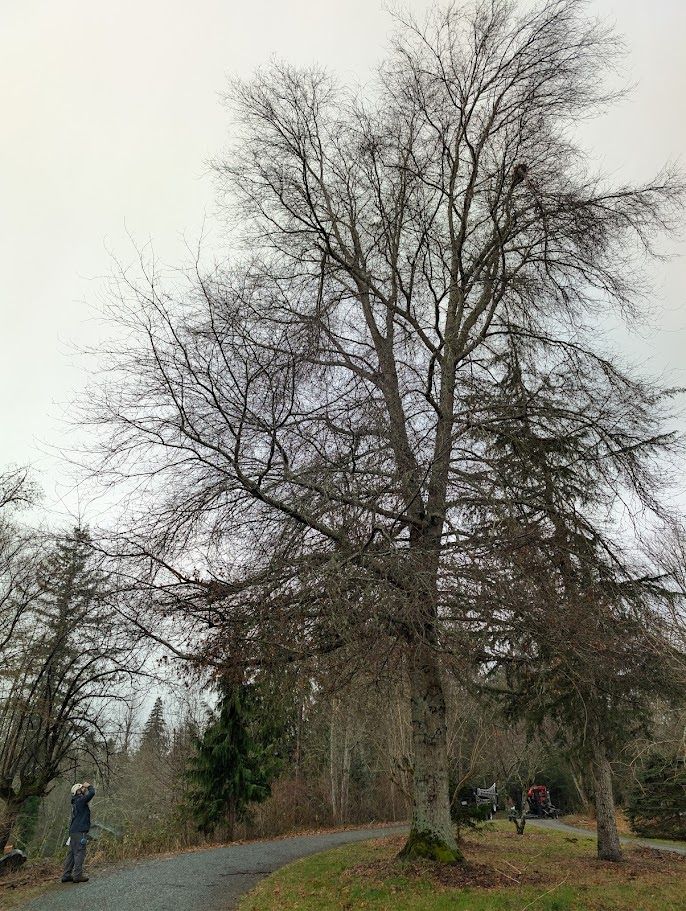
Next comes a systematic visual assessment. Board Certified Master Arborists are trained to “read” the whole tree:
- Crown condition: density, color, size of leaves/needles, deadwood, dieback, and pattern of thinning (top-down, outside-in, or random).
- Branch structure: co-dominant stems, included bark, cracked unions, old topping cuts, storm damage.
- Trunk: decay indicators, cavities, fungal fruiting bodies, seams, bulges, oozing, past wounds, and response growth.
- Root collar and roots: depth of planting, buried flares, girdling roots, heaving soil, buttress root decay, construction cuts, and root plate lean.
- Site and soil: compaction, turf up to the trunk, mulch or lack of it, drainage patterns, irrigation, hardscape proximity, competition from other vegetation.
In the Pacific Northwest, correct diagnosis often means distinguishing between multiple overlapping stresses: saturated winter soils, summer drought, compacted urban soils, root rot fungi, insect pests, and previous improper pruning or topping. A Board Certified Master Arborist understands local patterns—such as laminated root rot in conifers, Armillaria in older landscapes, Phytophthora in poorly drained sites, anthracnose on shade trees, and common insect issues like aphids, scale, bark beetles, and adelgids.
When visual inspection isn’t enough, Master Arborists may recommend more detailed investigation, such as:
- Root collar excavation with air tools to expose hidden problems (deep planting, buried girdling roots, basal decay).
- Soil testing to evaluate texture, compaction, pH, salts, and key nutrients.
- Decay detection tools (e.g., resistance drilling) to quantify internal defects in trunks or large branches.
- Sampling for lab analysis when diseases or nutrient issues are uncertain.
- Crucially, we interpret these findings in light of species and site. A degree of decay that might be unacceptable for a heavily used play area tree could be tolerable for a low-target, back-corner habitat tree. A thinning crown in a drought-sensitive species on a hot, exposed site may signal chronic water stress more than a pathogen problem.
Board Certified Master Arborists don’t just diagnose; they prioritize and plan. After assessing health and structure, we provide:
- Risk assessment: How likely is failure? What are the likely consequences given targets (homes, driveways, play areas, trails)?
- Treatment options: Ranging from cultural and soil improvements, irrigation changes, pruning, pest/disease management, supplemental support systems, or, when warranted, removal.
- Prognosis: Realistic expectations—whether the tree can recover, stabilize, or is likely to continue declining despite intervention.
In the PNW, many health assessments focus on chronic, manageable stress rather than acute emergencies. Common recommendations from a Master Arborist may include:
- Correcting planting depth and exposing the root flare.
- Reducing soil compaction and improving aeration in the root zone.
- Adjusting irrigation to avoid both winter saturation and summer drought stress.
- Expanding mulch rings and removing turf from the critical root area.
- Structural pruning to reduce end-weight and improve stability.
- Targeted pest or disease treatments when justified by diagnosis and timing.
Board Certified Master Arborists also think long-term and site-wide. A thorough health assessment may reveal patterns: multiple trees with similar decline from grade changes, irrigation design, or species poorly suited to the site. We can then help the owner develop a broader management plan—phased removals, species diversification, soil improvement, and better planting practices—to reduce future problems.
Documentation is another key part of our work. For municipalities, HOAs, campuses, and large properties in the PNW, Master Arborists often provide written reports summarizing findings, risk levels, and recommendations with clear priorities. This is especially important in a region where storm failures, slope issues, and neighbor concerns can have legal and insurance implications.
Ultimately, Tree Diagnosis & Health Assessments by Salish Sea Tree Care and Consulting are about informed decision-making. Instead of guessing, over-treating, or removing trees prematurely, property owners gain a clear picture of what is happening, why it’s happening, and what can be done—grounded in advanced training, regional experience, and a holistic understanding of trees in this unique climate.
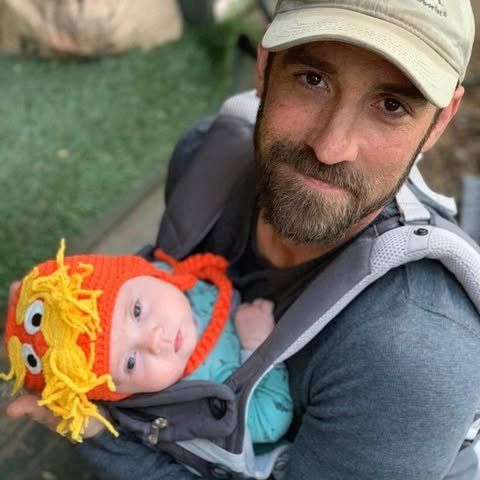
North King County and Snohomish County
John Huddleston
Phone: (253) 736-5286
Email: John@salishseatree.com
ASCA Registered Consulting Arborist #625
Board Certified Master Arborist®
Tree Risk Assessment Qualified
WE - 7660 BM
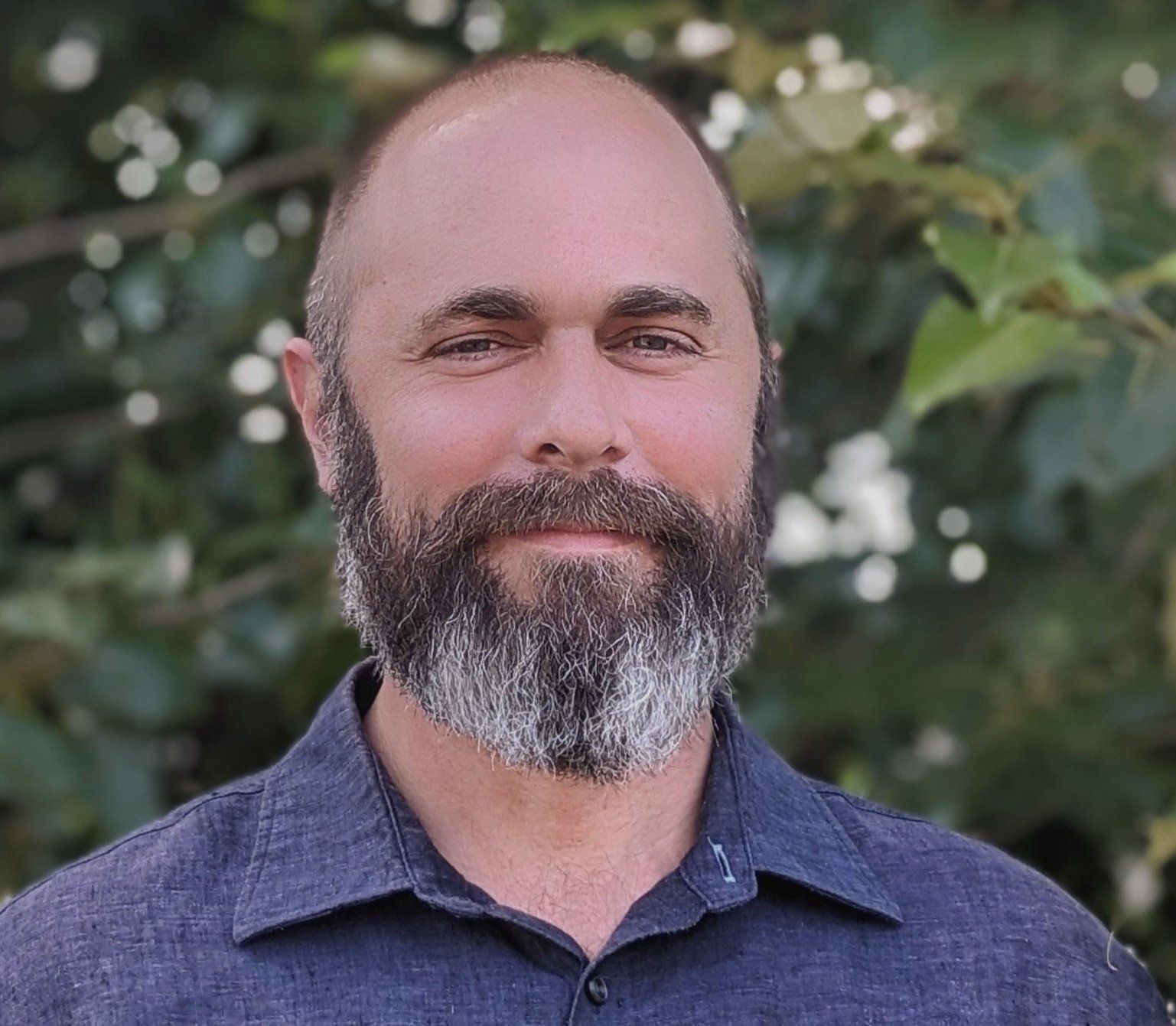
South King County and Pierce County
Nicholas Johnson
Phone: (206) 819-1294
Email: NicholasJohnson@salishseatree.com
ASCA Registered Consulting Arborist #827
Tree and Plant Appraisal Qualified
Board Certified Master Arborist®
Tree Risk Assessment Qualified
PN - 5662BM





