Insect & Disease Management Services in Seattle, Tacoma, & The Puget Sound Region
In the Pacific Northwest, trees thrive in a mild, moist climate—but so do many insects and diseases. Effective treatment isn’t just about spraying something when you see a problem; it’s about understanding the local pests, how they interact with tree species, and using integrated, long-term strategies to keep trees healthy.
The first and most important step in insect and disease treatment is accurate diagnosis. Many issues look similar: yellowing foliage, thinning crowns, dead branches, or oozing sap could be caused by insects, fungi, bacteria, root problems, poor drainage, or even construction damage. In the PNW, common tree issues include aphids and scale insects, bark beetles, adelgids on conifers, and fungal diseases like root rot (especially Armillaria and laminated root rot), anthracnose, needle cast, and canker diseases. Misdiagnosis can lead to unnecessary or ineffective treatments, wasted money, and further decline in the tree.
Once a problem is correctly identified, the next step is determining whether treatment is warranted. Not every insect or leaf spot requires chemical intervention. Many Pacific Northwest trees can tolerate moderate insect feeding or minor foliar diseases without serious long-term impact. Often, improving overall tree vigor—through proper watering, mulching, and soil care—is the best “treatment.” A stressed tree is far more vulnerable to attack and less able to recover.
For insects, treatment strategies in the PNW often start with cultural and biological controls. Beneficial insects such as lady beetles, lacewings, and predatory wasps can keep aphid and scale populations in check. Avoiding broad-spectrum insecticides that kill these allies is critical. Where intervention is needed, targeted treatments like horticultural oils or insecticidal soaps can reduce soft-bodied insect populations with relatively low impact on the environment when timed correctly, typically in early spring or during vulnerable life stages.
For wood-boring insects and bark beetles, prevention is far more effective than cure. Beetles are attracted to stressed, drought-weakened, or wounded trees. In the Pacific Northwest, proper irrigation during summer drought, avoiding trunk damage, and not leaving fresh, green slash or firewood onsite can significantly reduce risk. Systemic insecticides may be considered in some high-value or high-risk situations, but these decisions should weigh potential non-target impacts, including to pollinators.
Tree diseases in the PNW are often favored by moisture. Fungal leaf diseases like anthracnose and needle cast spread readily during wet springs. Pruning to improve air circulation within the crown, avoiding overhead irrigation, and removing heavily infected fallen leaves or needles can dramatically reduce disease pressure. For some ornamental trees—such as dogwoods, maples, and crabapples—preventive fungicide sprays applied at specific times in spring may be recommended when disease pressure is consistently high.
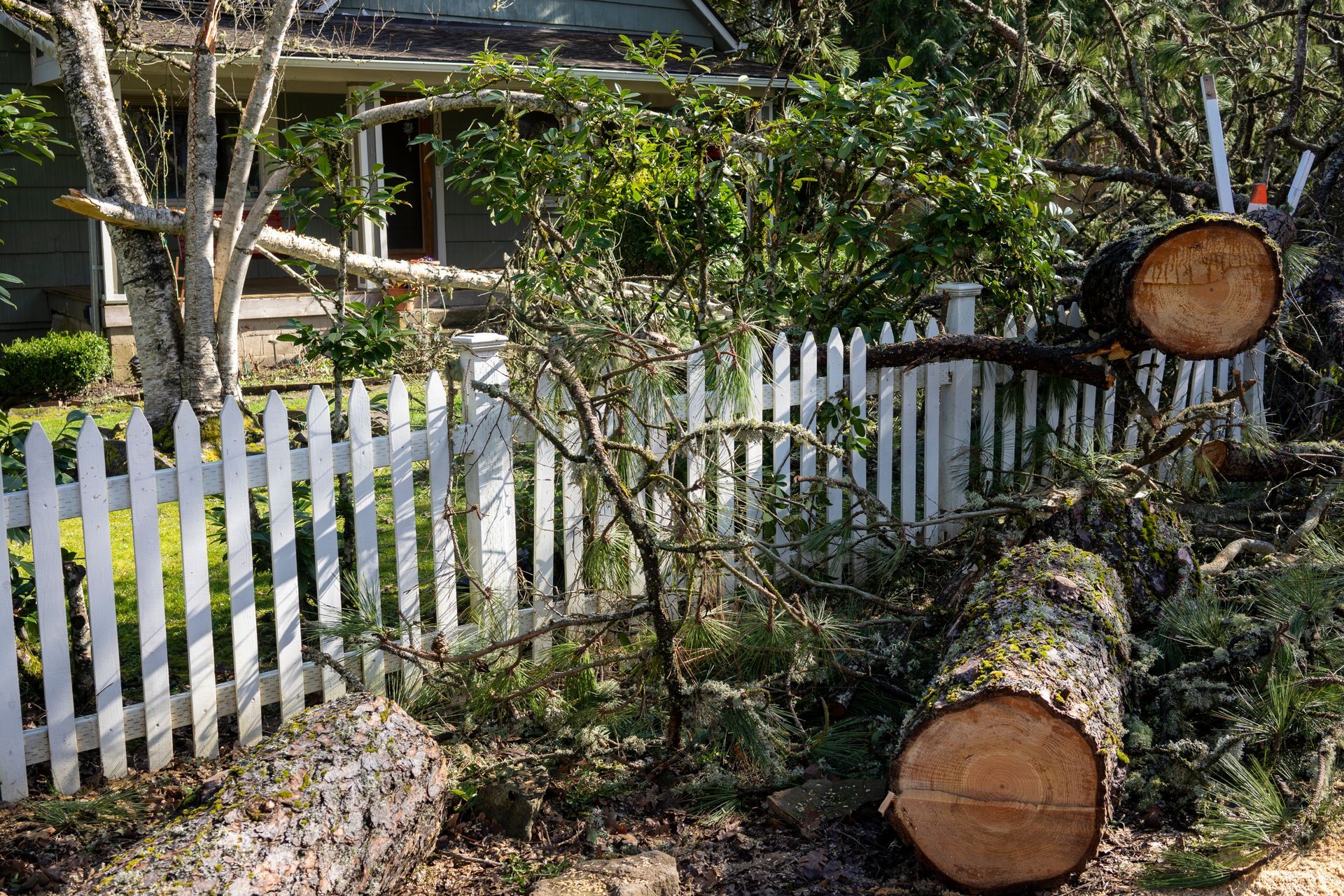
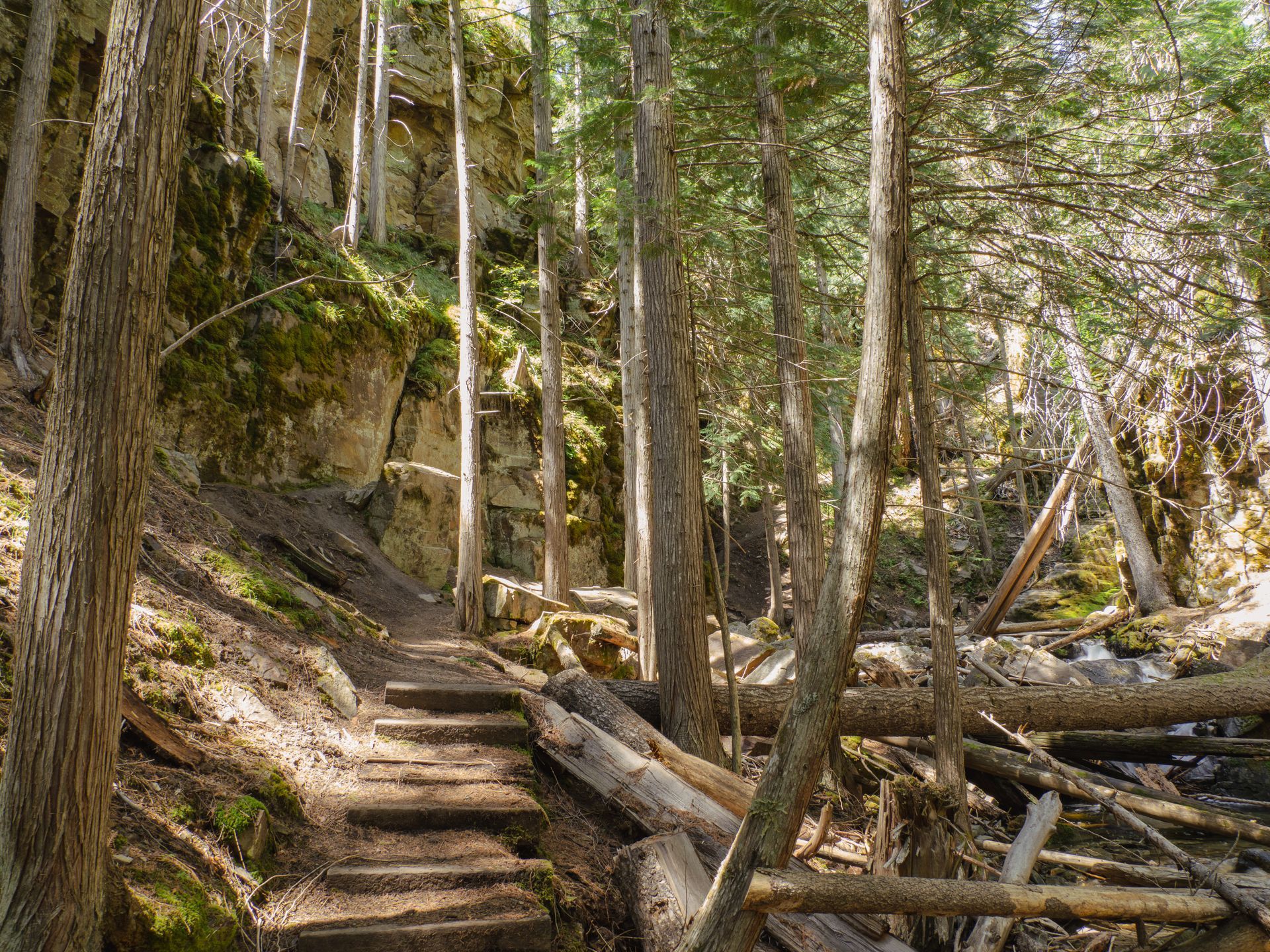
Root diseases are especially important in the Pacific Northwest, given the region’s many conifers and often saturated soils. Armillaria and laminated root rot can cause decline and sudden failure in Douglas-fir, grand fir, and other species. For some rot diseases, there is no chemical cure once established, but others can be managed with proper environmental stewardship, the application of beneficial fungi, or the use of phosphites. Management focuses on early detection, removal of hazardous trees, careful species selection, and sometimes avoiding replanting susceptible species in infected sites. Good drainage, avoiding soil compaction, and preventing deep planting are vital preventive measures.
An integrated pest management (IPM) approach ties all of this together. IPM means monitoring regularly, setting thresholds for action, using the least disruptive effective measures first, and reserving chemical treatments for targeted situations where they provide clear benefit. In practice, that might mean:
- Inspecting trees seasonally for early signs of pests and disease
- Adjusting irrigation and mulching to reduce drought or waterlogging stress
- Pruning correctly and at the right time of year to reduce disease entry points
- Using resistant or well-adapted species and cultivars when planting
- Applying pesticides only when justified by monitoring and diagnosis, and with attention to timing, drift, and non-target effects
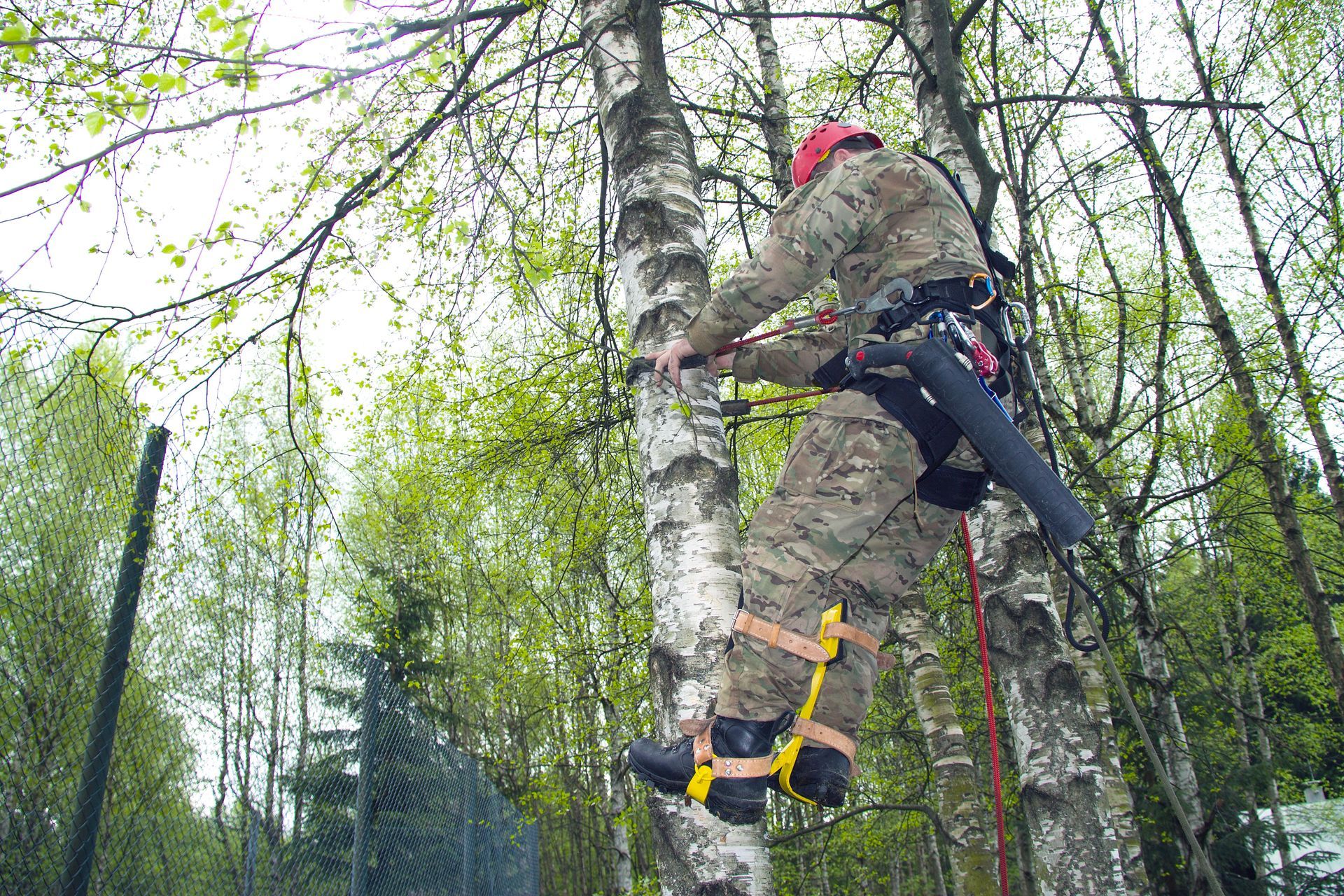
Because many tree problems in the Pacific Northwest have subtle early signs and complex causes, working with a qualified arborist—ideally one with advanced credentials and local experience—is often the most effective way to manage insect and disease issues. They can distinguish cosmetic problems from serious threats, propose site-specific treatments, and develop a long-term plan that balances tree health, safety, and environmental responsibility.
In a region known for its forests, caring thoughtfully for trees on residential and urban properties means understanding the local insect and disease pressures and responding with informed, measured actions—not quick fixes.

North King County and Snohomish County
John Huddleston
Phone: (253) 736-5286
Email: John@salishseatree.com
ASCA Registered Consulting Arborist #625
Board Certified Master Arborist®
Tree Risk Assessment Qualified
WE - 7660 BM

South King County and Peirce County
Nicholas Johnson
Phone: (206) 819-1294
Email: NicholasJohnson@salishseatree.com
ASCA Registered Consulting Arborist #827
Tree and Plant Appraisal Qualified
Board Certified Master Arborist®
Tree Risk Assessment Qualified
PN - 5662BM





