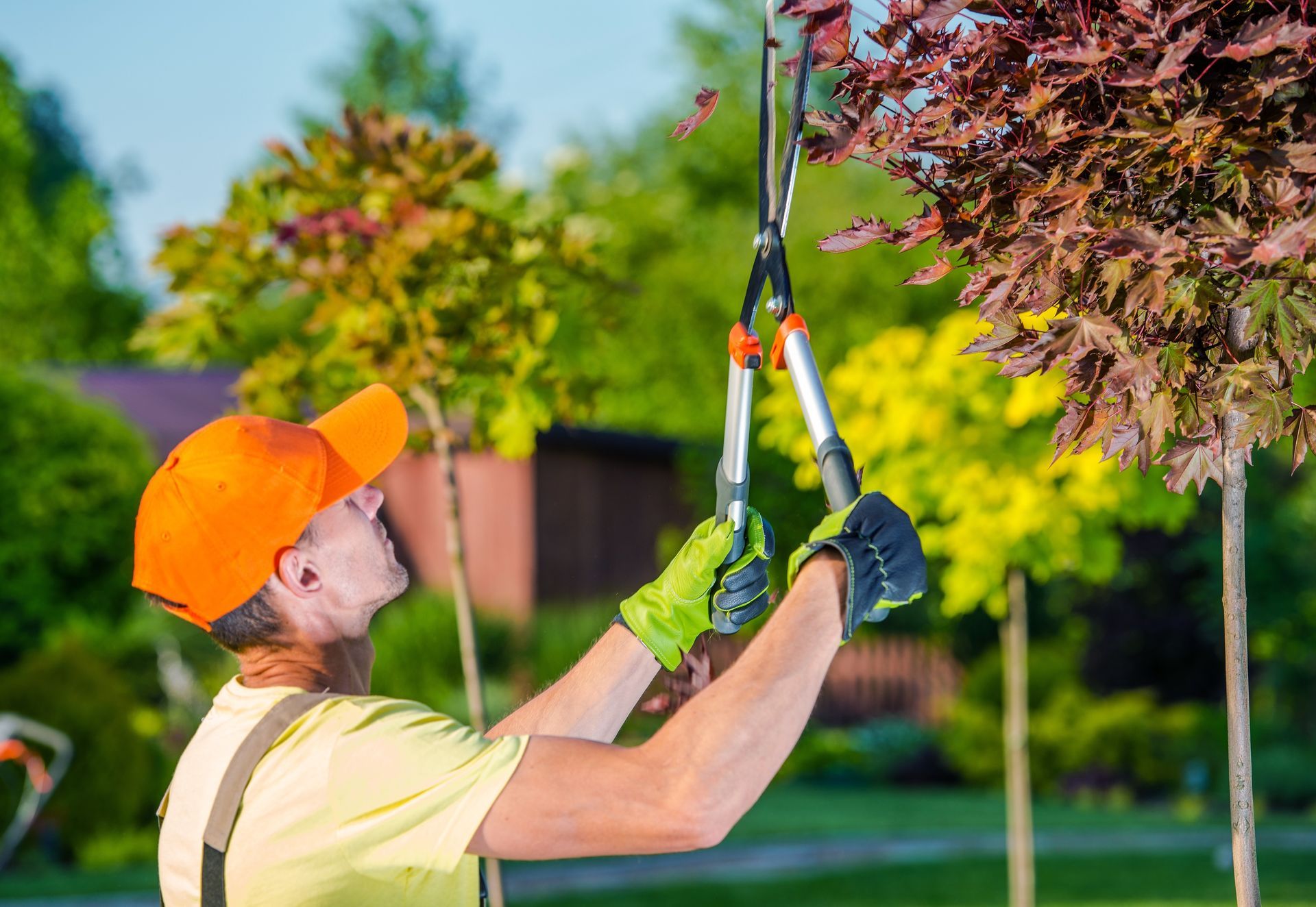
Trust Salish Sea Tree Care & Consulting for expert Tree Care in Snohomish, WA. We diagnose disease and pests in firs, cedars & maples. Call (253) 736-5286.
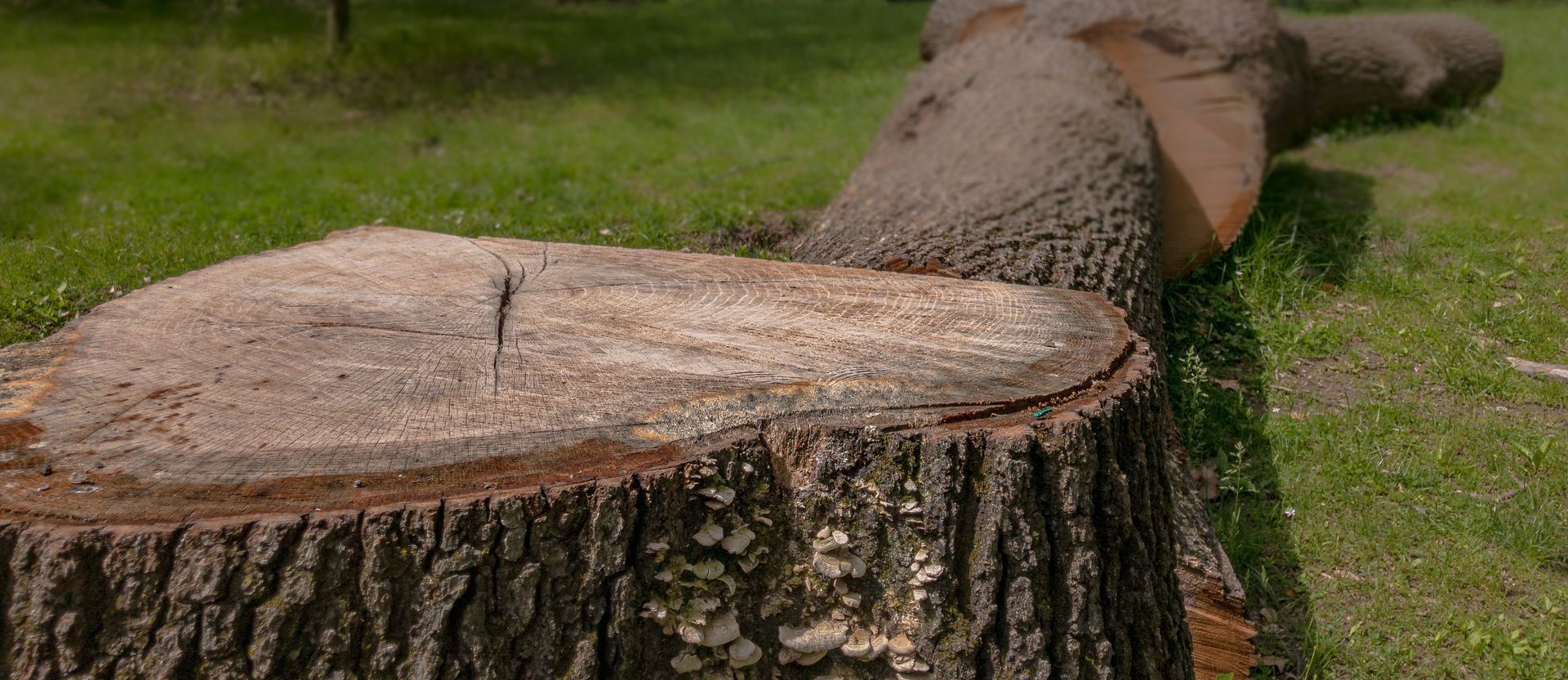
Need a tree removal permit in Snohomish, WA? We can help you stay compliant. Call (253) 736-5286 today for expert guidance.
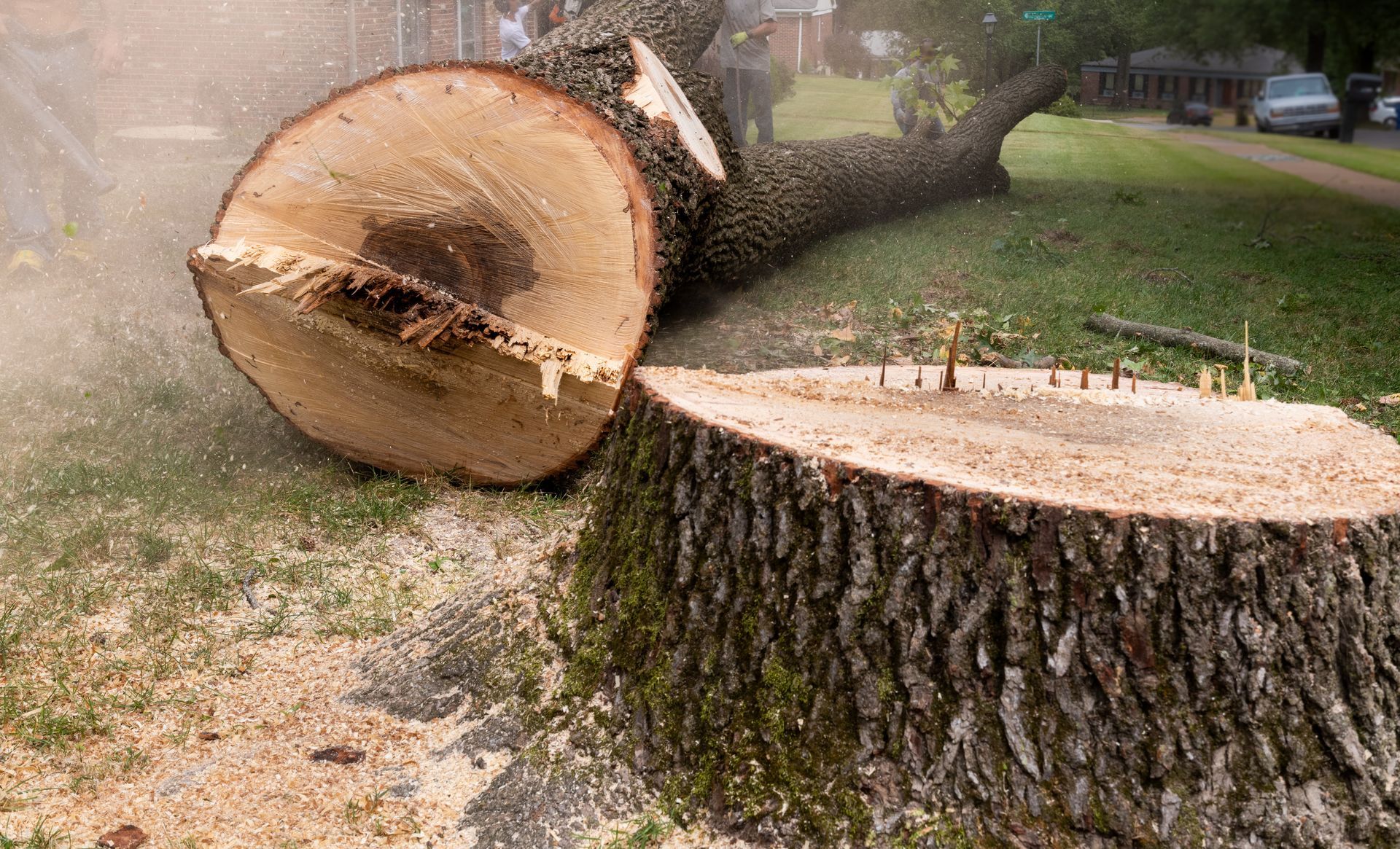
Wondering about tree removal costs in Sumner, WA? Salish Sea Tree Care and Consulting LLC breaks down pricing factors. Get expert guidance. Request a quote today.
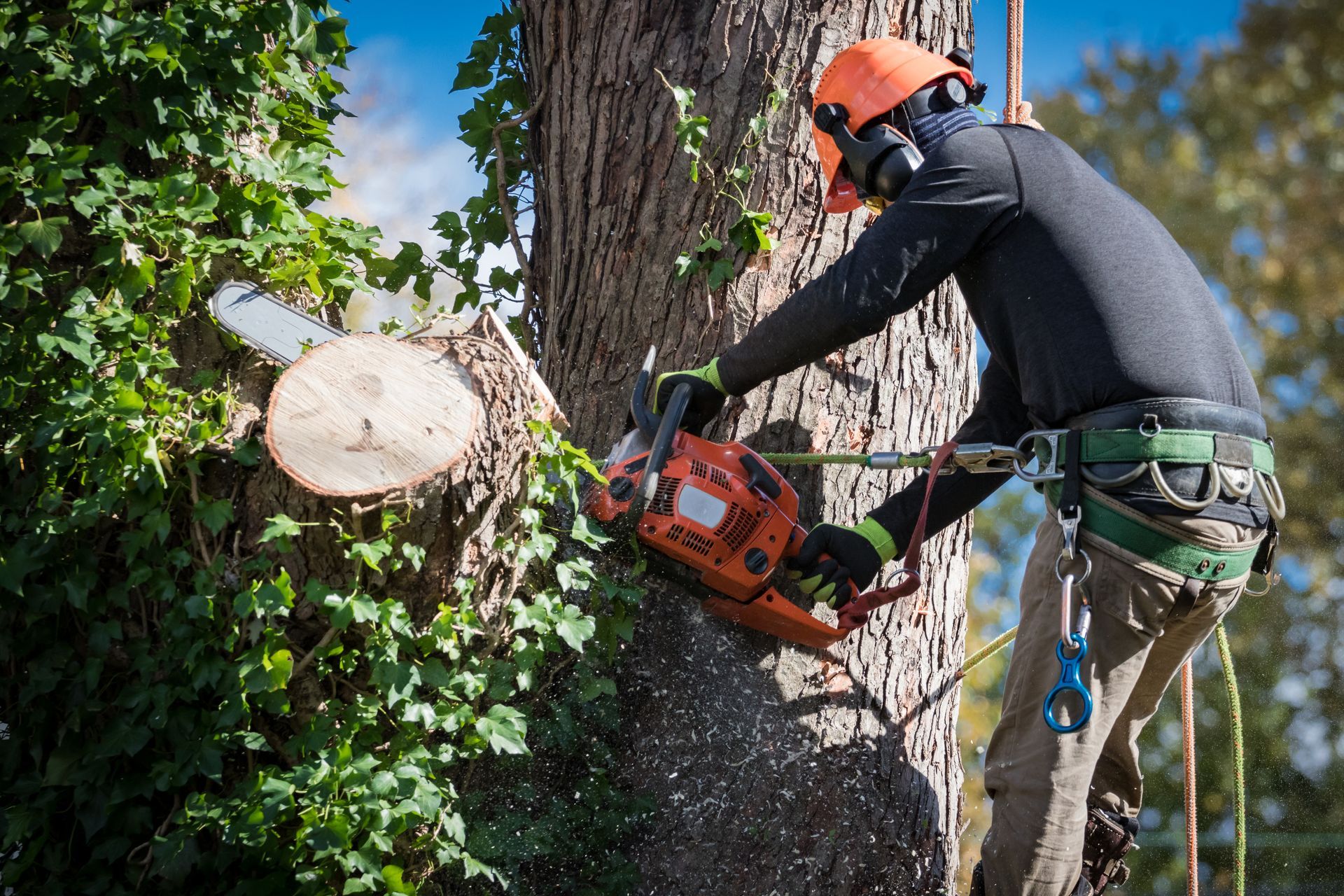
Know when to call for tree services in Snohomish, WA. Salish Sea Tree Care & Consulting offers certified arborist expertise. Get a consultation today.
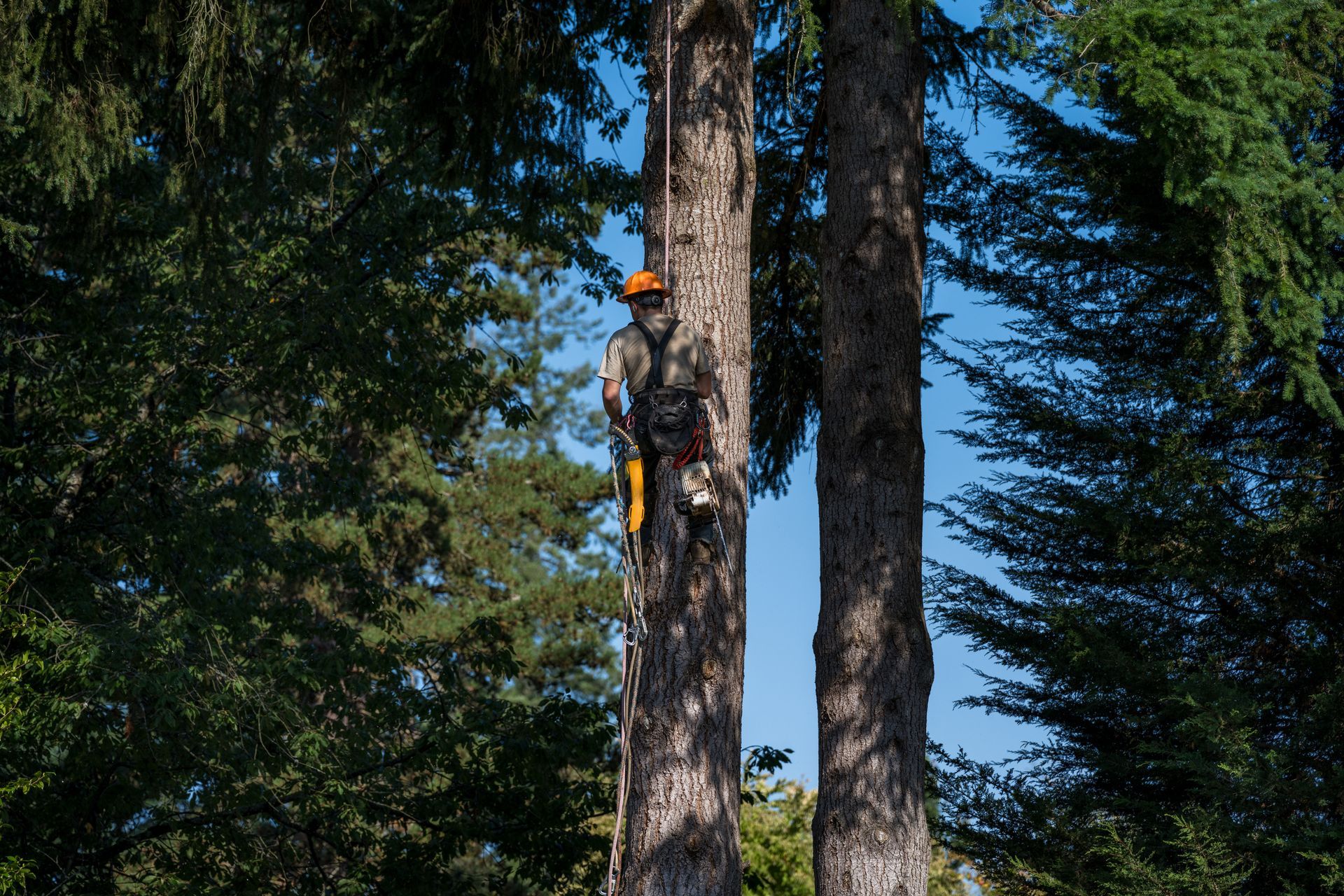
If you own a home or commercial property in Snohomish, maintaining healthy trees is an important part of protecting your landscape, improving curb appeal, and keeping your property safe year-round. From towering Douglas firs to ornamental maples and cedars, the Pacific Northwest climate creates ideal growing conditions—but it also brings storms, heavy rainfall, pests, and disease that can impact tree health over time. At Salish Sea Tree Care & Consulting, professional arborists provide science-based tree care solutions designed specifically for the unique conditions found throughout Snohomish County. Professional Tree Care in Snohomish, WA Healthy trees do much more than enhance the appearance of your property. Proper tree care in Snohomish, WA can: Improve property value Reduce safety risks from falling limbs Prevent disease and pest infestations Encourage stronger, healthier growth Extend the lifespan of mature trees Protect nearby structures and utilities Because trees in Western Washington face constant exposure to moisture, wind, and changing seasonal conditions, regular inspections and maintenance are essential. Professional tree care services often include: Tree pruning and trimming Tree health assessments Disease diagnosis Pest management and tree spraying Structural evaluations Storm damage prevention Emergency tree services Working with a certified arborist ensures that every decision is based on the long-term health and stability of your trees—not just short-term appearance. Why Homeowners Need Certified Arborists in Snohomish, WA Hiring a certified arborist in Snohomish, WA gives property owners access to specialized knowledge about tree biology, risk assessment, and proper pruning techniques. At Salish Sea Tree Care & Consulting, Board Certified Master Arborists evaluate factors such as: Soil conditions Root health Structural integrity Fungal growth Storm damage Tree species suitability Signs of decay or decline Many tree problems begin below the surface long before visible symptoms appear. Early detection by an experienced arborist can often save a valuable tree while avoiding expensive property damage later. Professional arborists also help property owners make informed decisions about preservation versus removal, especially when trees become hazardous or structurally compromised. When Tree Removal in Snohomish, WA Becomes Necessary Although preservation is often the goal, some situations require professional tree removal in Snohomish, WA to maintain safety and protect surrounding property. Common reasons for tree removal include: Dead or dying trees Severe storm damage Root failure Leaning or unstable trees Disease spread Construction conflicts Hazardous branches near homes or power lines Tree removal can be dangerous without proper training and equipment. Certified arborists use controlled removal techniques to minimize risk and avoid unnecessary damage to nearby landscaping or structures. Large tree removals in Snohomish often require careful planning due to limited space, neighboring properties, and the height of mature Pacific Northwest trees. Tree Services in Snohomish, WA for Every Season Seasonal tree maintenance plays a major role in preserving the health and beauty of your landscape. Reliable tree services in Snohomish, WA help homeowners stay ahead of common regional issues before they become major problems. Spring & Summer Tree Care Disease monitoring Pest treatments Structural pruning Growth management Fall & Winter Tree Care Storm preparation Hazard inspections Deadwood removal Emergency response services Routine maintenance not only improves tree health but also reduces the likelihood of emergency tree failures during windstorms and heavy winter weather. Signs Your Trees May Need Professional Attention Many property owners wait until a tree becomes dangerous before calling an arborist. However, early intervention can often prevent larger issues. You should schedule a professional inspection if you notice: Cracked or splitting branches Dead limbs Mushrooms growing near roots Leaning trunks Sparse foliage Bark peeling or falling off Sudden leaf discoloration Soil lifting near the base of the tree These symptoms may indicate structural instability, root damage, disease, or internal decay. Choosing the Right Tree Service Company in Snohomish, WA Not all tree companies provide the same level of expertise. When hiring a provider for tree care or tree removal in Snohomish, WA, look for: ISA Certified Arborists Proper licensing and insurance Experience with Pacific Northwest tree species Knowledge of local environmental conditions Safe pruning and removal practices Transparent recommendations Salish Sea Tree Care & Consulting serves homeowners throughout Snohomish County with professional arborist consulting, tree pruning, tree removal, health assessments, and long-term tree preservation strategies tailored to Western Washington landscapes. Protect Your Trees and Property with Expert Arborist Services Trees are long-term investments that deserve thoughtful, professional care. Whether you need preventative maintenance, emergency tree removal, or a certified arborist in Snohomish, WA, working with experienced professionals can help preserve the health, safety, and beauty of your property for years to come. If you are looking for trusted tree services in Snohomish, WA, contact Salish Sea Tree Care & Consulting to schedule a professional assessment and receive expert guidance tailored to your landscape.
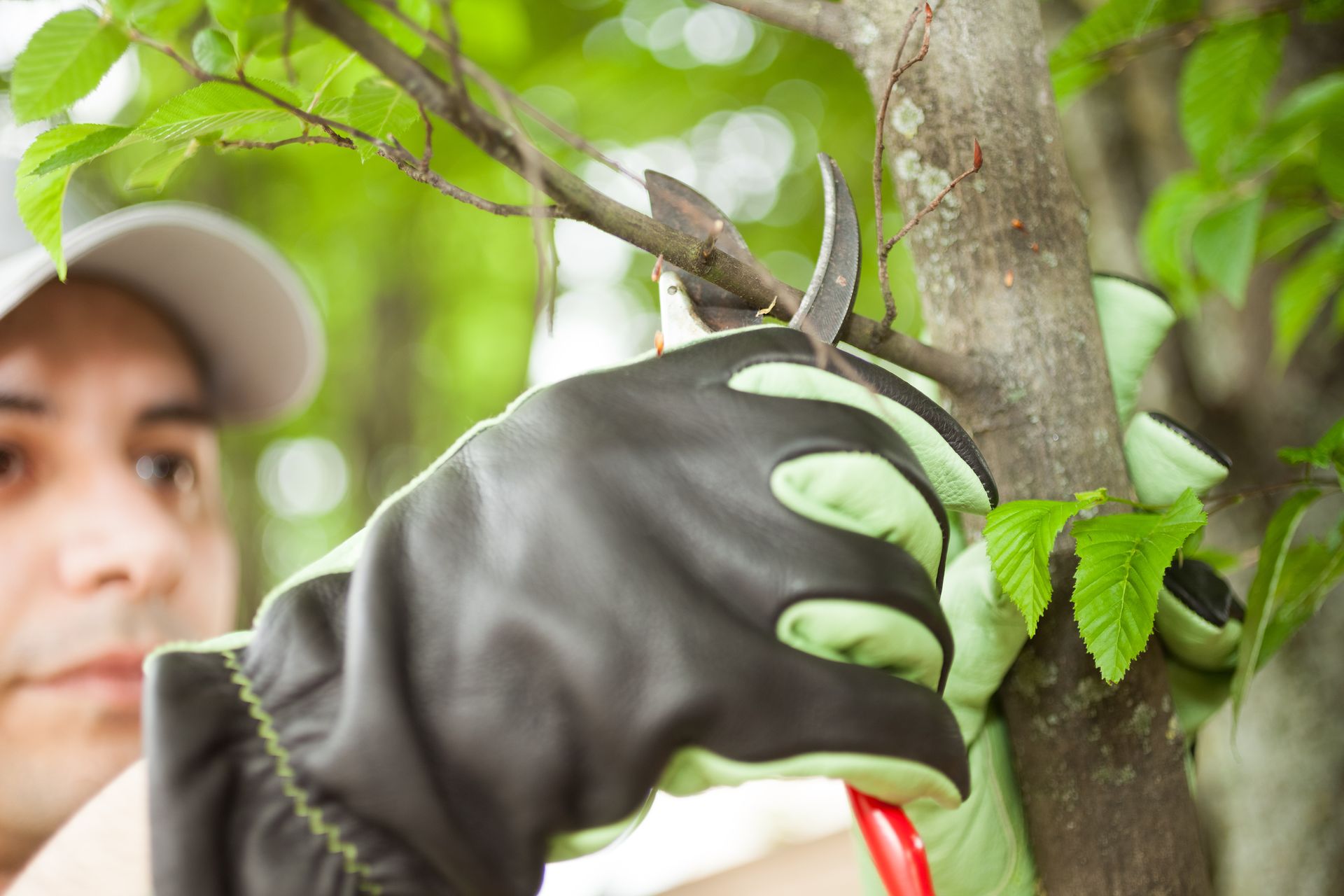
Learn how expert tree care in Sumner, WA, improves property health and safety. Read our blog and act now with Salish Sea Tree Care & Consulting!

The new season is a great reason to make and keep resolutions. Whether it’s eating right or cleaning out the garage, here are some tips for making and keeping resolutions.

There are so many good reasons to communicate with site visitors. Tell them about sales and new products or update them with tips and information.

Write about something you know. If you don’t know much about a specific topic that will interest your readers, invite an expert to write about it.





